The global sports industry is worth billions of dollars, and much of its growth is driven by the world’s biggest sports brands. These companies do far more than sell shoes, jerseys, or equipment. They shape sports culture, influence fan behavior, support athletes, and create some of the most memorable campaigns in modern business.
The strongest brands understand that sports are built on passion. Fans do not simply buy products. They buy into stories, communities, and experiences that make them feel connected to their favorite teams and athletes.
In this guide, we will explore ten of the most influential sports brands in the world, what makes them successful, and how they continue to lead the industry year after year.
Let’s begin!
- What Makes a Sports Brand Stand Out?
- Top 10 Sports Brands
- 1. Nike: The Brand That Changed Sports Marketing
- 2. Adidas: Building a Global Sports Culture
- 3. Puma: Turning Athletes Into Global Ambassadors
- 4. Under Armour: Performance Comes First
- 5. New Balance: Quiet Growth Through Quality
- 6. Reebok: Reinventing Itself Through Fitness
- 7. ASICS: Innovation Built for Athletes
- 8. Lululemon: Expanding Beyond Fitness
- 9. Wilson: Powering Sports Through Equipment
- 10. Decathlon: Making Sports Accessible
- How Sports Brands Connect With Modern Fans
- Why Digital Engagement Matters More Than Ever
- How Sports Advertising Continues to Evolve
- The Growing Importance of Fan Communities
- How Vupop Supports Brand Growth?
- FAQs
What Makes a Sports Brand Stand Out?
Not every sports company becomes a global leader.
The most successful brands usually share several qualities:
- Strong brand identity
- Global marketing reach
- Consistent product quality
- Innovation and technology
- Deep connections with fans
- Partnerships with athletes and teams
The companies on this list have mastered these areas and continue to influence how sports are played, watched, and experienced around the world.
Top 10 Sports Brands
Now, we will explore ten of the most influential sports brands in the world, what makes them successful, and how they continue to lead the industry year after year.
1. Nike: The Brand That Changed Sports Marketing
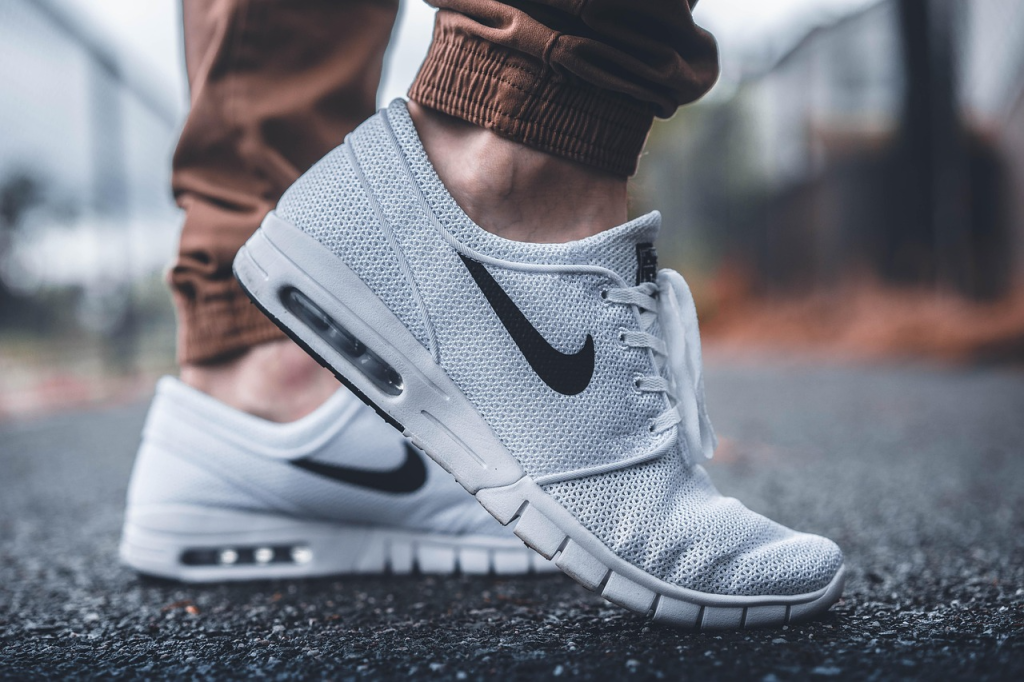
Nike remains one of the most recognized sports brands in history. Its success comes from combining innovation with powerful storytelling.
Nike has built partnerships with:
- Elite athletes
- Professional teams
- Youth sports programs
- International competitions
The company rarely focuses only on products. Instead, it focuses on motivation, achievement, and personal growth.
Many experts consider Nike a leading example of successful sports marketing because its campaigns often inspire people rather than simply advertise products.
Its famous “Just Do It” message continues to resonate with audiences worldwide.
2. Adidas: Building a Global Sports Culture
Adidas has become one of the most influential names in sports. The company is especially strong in:
- Football
- Running
- Training
- Lifestyle apparel
Adidas sponsors major clubs, athletes, and international tournaments. Its ability to balance performance and fashion has helped it remain relevant across generations.
The brand has successfully expanded beyond sports into everyday culture while maintaining strong athletic credibility.
3. Puma: Turning Athletes Into Global Ambassadors
Puma has experienced major growth by creating strong athlete partnerships.
The brand works closely with:
- Basketball players
- Motorsport teams
- Football stars
- Sprinters
Puma understands that fans often connect with people more than products.
This strategy has helped the company stay competitive in an increasingly crowded marketplace. Its campaigns often feel energetic, youthful, and modern.
4. Under Armour: Performance Comes First
Under Armour built its reputation on helping athletes perform better. The company gained attention through:
- Training gear
- Compression apparel
- Performance technology
- Athlete-focused innovation
Instead of focusing heavily on fashion trends, Under Armour positioned itself as a performance-first brand.
This helped it earn credibility among serious athletes and fitness enthusiasts.
Its growth demonstrates how focusing on a clear audience can create long-term success.
5. New Balance: Quiet Growth Through Quality
New Balance may not always generate the same headlines as larger competitors, but its influence continues to grow.
The company is respected for:
- Running shoes
- Product quality
- Comfort-focused designs
- Athlete development programs
New Balance often takes a different approach than competitors by prioritizing craftsmanship and long-term customer loyalty.
This strategy has helped the company maintain steady growth across multiple markets.
6. Reebok: Reinventing Itself Through Fitness
Reebok became famous through fitness culture and training products. The brand has strong connections to:
- Gym communities
- Functional fitness
- Lifestyle apparel
- Cross-training
Over the years, Reebok has adapted to changing consumer trends while maintaining its connection to athletic performance.
Its ability to evolve has helped keep the brand relevant in a competitive industry.
7. ASICS: Innovation Built for Athletes
ASICS has earned a reputation for creating products designed around sports science.
The company invests heavily in:
- Research
- Athlete testing
- Injury prevention
- Running technology
Many runners trust ASICS because the brand focuses on performance rather than trends. Its scientific approach has helped build strong loyalty among serious athletes worldwide.
8. Lululemon: Expanding Beyond Fitness
Lululemon started with yoga apparel but quickly expanded into a broader athletic lifestyle brand. Today, the company serves:
- Athletes
- Runners
- Gym users
- Everyday consumers
Its success comes from creating products that combine comfort, style, and functionality.
Lululemon has shown that sports brands do not need to focus only on competition to achieve significant growth.
9. Wilson: Powering Sports Through Equipment
Unlike many apparel-focused brands, Wilson is known primarily for equipment. The company produces products for:
- Basketball
- Baseball
- Football
- Tennis
- Golf
Wilson’s equipment is used by athletes at every level, from beginners to professionals. Its reputation is built on reliability and consistent performance.
The brand remains an important part of many major sporting events.
10. Decathlon: Making Sports Accessible
Decathlon has become one of the world’s largest sporting goods retailers.
Its strategy is simple:
- Serve multiple sports
- Offer affordable products
- Make participation easier
The company supports a wide range of activities, helping more people access sports without spending excessive amounts of money.
This accessibility has played a major role in its global expansion.
How Sports Brands Connect With Modern Fans
Today’s sports audience expects more than advertisements.
Fans want:
- Authentic stories
- Athlete interaction
- Community involvement
- Behind-the-scenes content
This is one reason sports influencer marketing continues growing across the industry.
People often trust recommendations from athletes and creators they already follow.
Strong sports brands understand the importance of building relationships rather than simply promoting products.
Why Digital Engagement Matters More Than Ever
The sports industry has become increasingly digital. Brands now connect with audiences through:
- Creator partnerships
- Online communities
- Social media
- Mobile apps
- Livestreams
These channels allow brands to reach fans faster and more directly than traditional methods.
Many organizations are also exploring sports content monetisation opportunities as digital audiences continue expanding.
The ability to create value from online engagement is becoming an important business advantage.
How Sports Advertising Continues to Evolve
The best brands understand that modern sports advertising is no longer limited to television commercials.
Today, companies use:
- Social media campaigns
- Interactive experiences
- Athlete collaborations
- Fan-driven initiatives
- Digital storytelling
Modern sports advertisements often focus on creating memorable experiences rather than simply promoting products.
This shift helps brands build stronger emotional connections with audiences.
The Growing Importance of Fan Communities
Fans are becoming active participants in sports culture.
Many organizations now look for ways to:
- Create shared experiences
- Encourage interaction
- Reward participation
- Build communities
Discussions around fan monetisation are becoming more common as audiences contribute more value through content creation and engagement.
The relationship between brands and fans continues to evolve.
How Vupop Supports Brand Growth?
As sports audiences become more active online, brands need better ways to connect with communities.
Vupop is a platform that helps brands and organizations discover and leverage authentic fan experiences, making it easier to create stronger engagement opportunities and build meaningful relationships with audiences.
The world’s leading sports brands did not become successful by accident.
They earned trust through years of innovation, consistency, smart partnerships, and a deep understanding of what fans care about.
While products remain important, today’s most influential brands recognize that sports are ultimately about people. Athletes inspire us. Teams unite communities. Fans create energy that brings every competition to life.
Whether you are a marketer, fan creator, athlete, or sports business professional, studying these brands offers valuable lessons about building long-term influence in one of the world’s most competitive industries.
FAQs
How do sports brands market their products?
They use athlete endorsements, sponsorships, digital campaigns, social media, events, and content marketing to reach audiences.
What makes a sports brand successful?
Strong branding, product quality, innovation, athlete partnerships, customer loyalty, and effective marketing contribute to long-term success.
Why do sports brands sponsor athletes?
Athlete partnerships help brands build credibility, increase visibility, and connect with fans through trusted public figures.