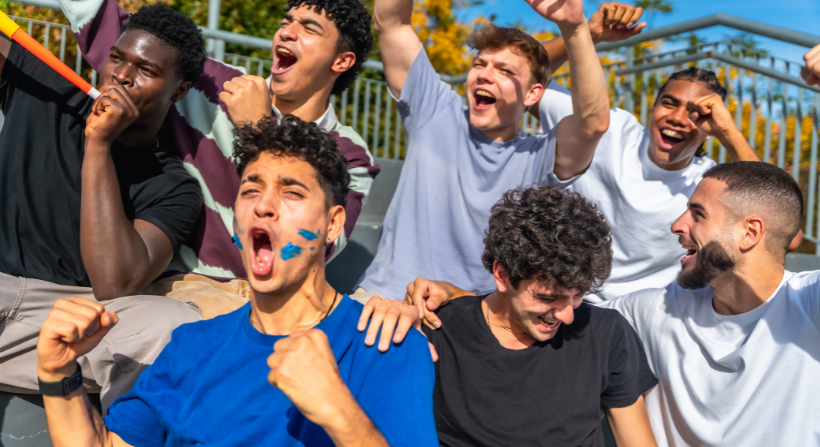

Sports marketing has grown beyond simple ads and sponsorships. Today, it is about creating real connections with fans through stories, emotions, and shared experiences. Brands and teams now focus on moments that people can relate to, not just products or logos. This shift has made marketing more engaging and more effective.
In this blog, we will look at 8 strong sports marketing examples that show what actually works in today’s world. Each example highlights a different strategy, from storytelling to fan engagement. These content ideas can help creators, marketers, and beginners learn how to build better and more impactful sports content.
8 Successful Sports Marketing Examples
We’ve chosen 8 outstanding and memorable sports marketing examples from the many thousands shared across social media platforms.
1. Red Bull and Extreme Sports Content
Red Bull does not behave like a traditional sports brand. Instead of focusing on products, they focus on experiences that feel extreme, risky, and exciting.
Their marketing is built around action. They sponsor events like air racing, cliff diving, and extreme biking competitions. These are not ordinary sports. They are high-energy experiences that naturally attract attention.
Red Bull also creates content around athlete stunts and challenges. These moments are carefully filmed and presented in a cinematic way. The viewer feels like they are part of something intense and unpredictable.
Why it worked:
- It focuses on high-energy and extreme experiences.
- It builds a strong identity around adrenaline and action.
- It creates content that feels like entertainment, not ads.
- It keeps audiences engaged through continuous storytelling.
This makes Red Bull one of the most unique sports marketing examples ever created.
2. NBA and Social Media Highlights
The NBA has mastered digital storytelling through short-form content. Instead of long traditional broadcasts, they focus on fast, engaging highlights that fit modern attention spans.
Every day, the NBA shares clips of dunks, game-winning shots, and emotional player reactions. These moments are short but powerful. They are designed to be shared instantly across social media platforms.
Another key strength is how they highlight star players. Athletes like top scorers and rising talents are regularly featured, which helps increase engagement and fan loyalty.
They also include crowd reactions, bench emotions, and post-game interviews. This adds a human touch to the sport and makes it more relatable.
Why it worked:
- It uses short, high-impact content for digital platforms.
- It focuses on emotional and exciting game moments.
- It highlights star players to attract global attention.
- It keeps audiences engaged with daily content.
The NBA shows how sports marketing has fully adapted to the social media era.
3. Premier League and Global Fan Engagement
The Premier League is one of the best examples of global sports marketing. Their audience is not limited to one country. It spreads across continents, cultures, and languages.
They run region-based campaigns that reflect local culture and football passion. This makes fans feel personally connected to the league, even if they live far away.
Social media interaction is another key part of their strategy. They respond to fans, share comments, and keep communication active.
Why it worked:
- It creates a global football community feeling.
- It uses local language content for global reach.
- It engages directly with fans on social platforms.
- It builds regional campaigns for cultural connection.
This is why the Premier League dominates international sports marketing.
4. Puma and Athlete Partnerships
Puma focuses on building strong athlete partnerships instead of traditional advertising. Their strategy is based on authenticity and lifestyle storytelling.
They often collaborate directly with athletes to create content. This makes the messaging feel natural instead of scripted. Fans see athletes as real people, not just brand ambassadors.
Puma also shares personal moments from athletes’ lives. This includes training, travel, and daily routines. These small details help build an emotional connection with the audience.
They combine sports with fashion and lifestyle, making their brand more versatile and modern.
Why it worked:
- It uses real athlete collaboration instead of scripted ads.
- It shares personal and relatable moments.
- It mixes sports with lifestyle and fashion.
- It builds trust through authenticity.
This makes Puma’s marketing feel modern and human.
5. FIFA World Cup and Fan Campaigns
FIFA World Cup is one of the biggest sports events in the world, and its marketing focuses heavily on global emotions and fan connection.
Unlike regular campaigns that focus only on teams or players, the World Cup focuses on the shared experience of millions of fans watching the same moment at the same time.
Their campaigns often highlight how football connects different cultures, languages, and traditions. The idea is not only about winning or losing, but about unity through sport.
Their marketing includes:
- Global storytelling
- Cultural celebrations
- Fan reactions and other stadium content
Why it worked:
- It focuses on shared global emotions.
- It connects cultures through one sport.
- It includes real fans instead of only players.
- It turns football into a worldwide experience.
This is why World Cup campaigns are among the strongest sports marketing examples in history.
6. FC Barcelona and Behind-the-Scenes Content
FC Barcelona uses behind-the-scenes storytelling to bring fans closer to the team. Instead of only showing match highlights, they open up parts of the club that fans usually never see.
This creates a stronger emotional connection between players and supporters.
Here is what fans get to see:
- Training sessions
- Player interactions
- Locker room moments
Why it worked:
- It makes players feel more human and relatable.
- It strengthens emotional connection with fans.
- It gives exclusive access to hidden moments.
- It builds loyalty beyond match results.
This approach makes FC Barcelona one of the most fan-focused sports marketing examples.
7. Gatorade and Performance Stories
Gatorade focuses on real performance and athlete endurance. Their marketing is built around showing how energy, hydration, and recovery play a role in sports success.
Instead of making simple product claims, they show real sports situations where performance matters.
They highlight:
- Athlete preparation
- Recovery scenes after games
- Action-packed moments during matches
Why it worked:
- It focuses on physical truth instead of advertising claims.
- It connects the product with real sports performance.
- It uses real athletes and real situations.
- It builds trust through realism.
This makes Gatorade one of the strongest performance-based sports marketing examples.
8. Super Bowl Campaigns
The Super Bowl is not only a sports event but also one of the biggest advertising platforms in the world. Brands invest heavily in Super Bowl ads because millions of people watch them live.
These campaigns are designed to be memorable, emotional, and highly creative.
They create:
- Memorable ads
- Emotional stories
- Entertaining content
Why it worked:
- It mixes entertainment with branding.
- It reaches a massive global audience.
- It focuses on creativity and storytelling.
- It often becomes more famous than the sport itself.
This makes Super Bowl campaigns one of the most powerful sports marketing examples in advertising history.
Conclusion: Learning from the Best and Moving Forward
These sports marketing examples show that success comes from creativity, emotion, and understanding fans. Whether it is a global brand or a local creator, the key is to stay real and consistent.
As sports marketing continues to grow, fan involvement will become even more important. Vupop is helping creators take part in this change. With tools designed for Vupop for fans, it is easier to share content, gain exposure, and grow.
If you want to succeed, learn from these examples, stay creative, and focus on real moments. That is how strong sports marketing is built today.
FAQs
Why is sports marketing important?
Sports marketing is important because it helps brands connect with fans, build emotional engagement, and increase visibility through sports events and athletes.
How do sports teams use marketing?
Sports teams use marketing through social media highlights, behind-the-scenes content, fan engagement, and global campaigns to grow their audience.
Can small creators use sports marketing ideas?
Yes, small creators can use sports marketing ideas by focusing on real moments, fan reactions, and simple storytelling to grow their content.