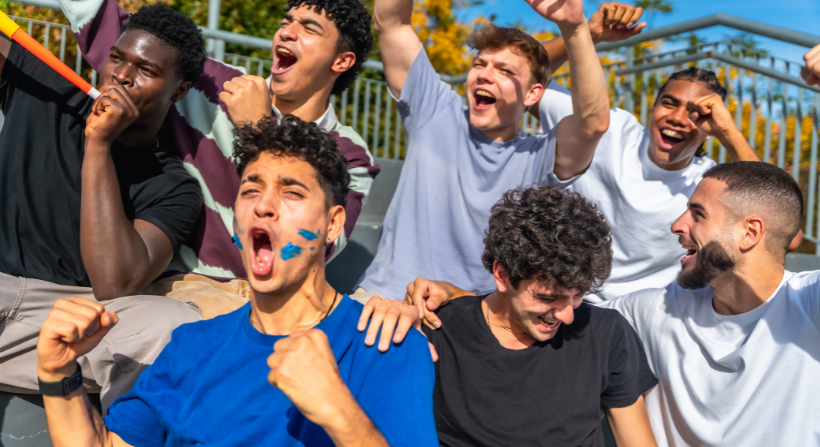
Great advertising does more than sell products. It creates moments that people remember for years. The best sports ads become part of sports culture itself. Fans quote them, share them, and revisit them long after they first aired.
What makes these advertisements special is that they tap into emotions. Some inspire us. Some make us laugh. Others remind us why we love sports in the first place.

The most memorable campaigns are not always the ones with the biggest budgets. They are the ones that tell powerful stories, connect with audiences, and create lasting impressions.
Let’s get started!
- What Makes a Sports Ad Truly Memorable?
- Top 10 Most Iconic Sports Ads in History
- What Modern Sports Marketers Can Learn From These Campaigns
- Why Emotional Storytelling Continues to Win
- The Growing Role of Fan Participation
- How Technology Is Expanding Creative Possibilities
- Community Platforms Are Becoming More Important
- Conclusion
- FAQs
What Makes a Sports Ad Truly Memorable?
Not every sports commercial becomes iconic. The most successful campaigns usually share a few key qualities:
- Clear messaging
- Relatable themes
- Strong storytelling
- Memorable athletes
- Emotional connection
The ads on this list achieved more than visibility. They became part of sports history.
Top 10 Most Iconic Sports Ads in History
Here we have 10 iconic sports advertisements that continue to be remembered by fans around the world, and explore why they were so successful.
1. Nike’s “Just Do It”
Few campaigns have had the impact of Nike’s “Just Do It.”
Launched in 1988, the slogan quickly became one of the most recognizable phrases in advertising.
Why fans still remember it:
- Simple message
- Universal appeal
- Motivational tone
- Strong athlete partnerships
The campaign was not only about sports. It encouraged people to push themselves regardless of their goals.
Its influence continues decades later.
2. Gatorade’s “Be Like Mike”
In the early 1990s, Michael Jordan was one of the most admired athletes in the world.
Gatorade used this popularity to create one of the most memorable sports campaigns ever. Why it worked:
- Connected with young audiences
- Featured a global sports icon
- Simple and catchy message
- Encouraged aspiration
Many people still remember the song and slogan today. The campaign showed the power of emotional storytelling combined with athlete influence.
3. Adidas’ “Impossible Is Nothing”
Adidas created a campaign centered around belief, determination, and overcoming challenges. Instead of focusing on products, the campaign focused on human achievement.
Key strengths included:
- Athlete journeys
- Universal themes
- Inspirational stories
- Emotional messaging
Fans connected with the idea that barriers can be overcome through effort and persistence. This helped make the campaign memorable across different generations.
4. Coca-Cola’s “Hey Kid, Catch!”
Some sports advertisements succeed because of simplicity. This famous commercial featured football legend Joe Greene sharing a memorable moment with a young fan.
Why it became iconic:
- Memorable ending
- Emotional storytelling
- Strong emotional appeal
- Genuine human connection
The advertisement remains one of the most celebrated sports commercials ever created.
5. Under Armour’s “Rule Yourself”
Under Armour focused on a different side of sports success. Rather than celebrating victories, the campaign highlighted preparation and discipline.
The advertisements featured athletes such as:
- Michael Phelps
- Stephen Curry
- Tom Brady
Why fans connected with it:
- Powerful visuals
- Focus on hard work
- Inspirational message
- Realistic training moments
The campaign reminded audiences that success comes from preparation long before game day.
6. Puma’s “Pelé and the Pause”
One of the earliest examples of creative sports marketing happened during the 1970 FIFA World Cup.
Before a match began, Pelé paused to adjust his boots. The moment drew camera’s attention directly toward Puma footwear.
Why it remains memorable:
- Creative timing
- Perfect athlete choice
- Natural product visibility
- Massive global audience
Many marketers still reference this campaign today because of its simplicity and effectiveness.
7. Reebok’s “Terry Tate: Office Linebacker”
Not every sports advertisement relies on emotion. Some succeed through humor.
Reebok’s “Terry Tate: Office Linebacker” campaign became famous because it was entertaining and unexpected.
The advertisements featured a linebacker enforcing workplace rules with football-style tackles.
Why audiences loved it:
- High shareability
- Humorous concept
- Unique storytelling
- Strong entertainment value
The campaign demonstrated that laughter can be just as powerful as inspiration.
8. Nike’s “Dream Crazier”
This campaign focused on women in sports and challenged stereotypes.
Narrated by Serena Williams, the advertisement encouraged women to pursue ambitious goals regardless of criticism.
Why it resonated:
- Strong social message
- Authentic storytelling
- Empowering theme
- Athlete credibility
The campaign generated widespread discussion and became one of Nike’s most successful modern advertisements.
It also demonstrated how sports influencer marketing can create meaningful cultural impact when paired with a strong message.
9. ESPN’s “This Is SportsCenter”
Unlike traditional sports advertisements, ESPN built an entire series around a single concept. The commercials imagined athletes interacting inside ESPN headquarters.
Fans enjoyed:
- Humor
- Creative scenarios
- Consistent branding
- Athlete appearances
The campaign remained popular for years because each new commercial offered a fresh and entertaining idea.
10. Red Bull Stratos
Red Bull has built much of its identity around extraordinary experiences. The Stratos project featured Felix Baumgartner’s record-breaking jump from the edge of space.
While technically much larger than a traditional advertisement, it became one of the most powerful branded sports moments ever created.
Why it worked:
- Global attention
- Extreme excitement
- Historic achievement
- Strong brand connection
The event generated worldwide coverage and demonstrated how brands can create unforgettable experiences instead of traditional advertisements.
What Modern Sports Marketers Can Learn From These Campaigns
Although these ads were created in different decades, they share common lessons. Successful campaigns often:
- Tell stories
- Focus on emotions
- Deliver clear messages
- Use memorable personalities
- Create authentic experiences
The best campaigns rarely focus only on selling.
Instead, they create emotional connections that audiences remember. This principle remains important for anyone creating sports content today.
Why Emotional Storytelling Continues to Win
Sports naturally create emotion. Fans experience:
- Joy
- Hope
- Inspiration
- Excitement
- Disappointment
Advertisements that tap into these emotions often perform better because they feel meaningful.
This is one reason why brands continue using storytelling as a foundation for successful sports content marketing strategies.
Stories create lasting memories.
The Growing Role of Fan Participation
Modern sports marketing is becoming more interactive. Brands increasingly look for ways to involve audiences directly.
Some organizations use fan-created media to:
- Showcase authentic experiences
- Highlight community moments
- Build stronger relationships
Many companies also use these efforts to increase fan engagement and create deeper audience connections.
The most successful campaigns no longer treat fans as passive viewers. They invite them into the story.
How Technology Is Expanding Creative Possibilities
Technology continues changing how sports campaigns are created and distributed. Organizations now explore opportunities involving:
- Digital experiences
- Interactive campaigns
- Community storytelling
- User-generated content
Discussions around sports content monetisation and fan monetisation are also becoming more common as sports communities grow online.
Some organizations are even exploring systems that help them monetise fan videos safely while
maintaining creator rights and content quality.
These developments are creating entirely new opportunities for audience participation.
Community Platforms Are Becoming More Important
Modern sports experiences extend beyond television commercials.
Communities now play a major role in shaping conversations around sports. Platforms such as Vupop are helping fans capture and share authentic moments that contribute
to broader sports storytelling.
Organizations are also exploring solutions for broadcasters and brands as they look for new ways to connect audiences with meaningful content experiences.
Conclusion
The greatest sports ads are remembered because they go beyond products and promotions. They tell stories, create emotions, and connect with audiences in meaningful ways.
From Nike’s motivational messages to Red Bull’s record-breaking moments, these campaigns demonstrate the power of creativity and storytelling in sports marketing.
As sports media continues evolving, Vupop is helping organizations and communities create richer fan experiences and stronger audience connections. The future of sports advertising may look different from the campaigns on this list, but one principle will remain the same: people remember stories far longer than they remember sales messages.
FAQs
How do sports ads influence fans?
Sports ads can inspire, entertain, motivate, and strengthen emotional connections between fans, athletes, and brands.
What role does storytelling play in sports advertising?
Storytelling helps audiences connect emotionally with a message, making advertisements more memorable and impactful.
Are emotional sports ads more effective than promotional ads?
In many cases, emotional ads perform better because they create lasting impressions rather than focusing only on product features.
What can content creators learn from iconic sports ads?
Creators can learn the importance of authenticity, storytelling, emotional connection, audience understanding, and consistent messaging.