The FIFA World Cup 2026 is expected to be the biggest football event in history. With more teams, more host cities, and millions of fans active online every single day, brands and creators have a huge opportunity to win attention through social media marketing.
But major sporting events also create one big challenge. Everyone is posting at the same time. Brands, creators, media pages, athletes, sponsors, and fans are all competing for visibility.
This means simply posting football content is not enough.
To stand out during the tournament, brands need a smarter strategy. They need content that feels timely, authentic, creative, and built for how fans actually behave online.
This guide covers professionally proven dos and don’ts to help brands.
- Why Social Media Matters More Than Ever During FIFA World Cup 2026
- The Dos and Don’ts of Social Media Marketing
- DO: Build a Matchday Content Calendar Before the Tournament Starts
- DON’T: Force Promotional Content Into Every Post
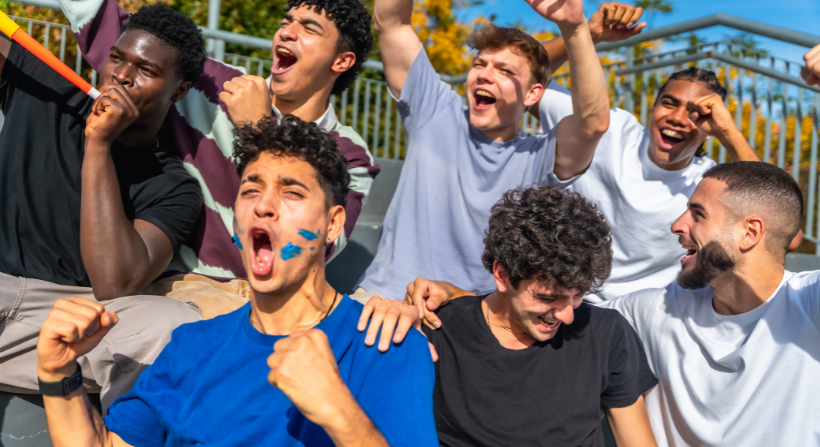
- DO: Create Content Around Fan Emotions
- DON’T: Ignore Platform-Specific Content Formats
- DO: Work With Football Creators and Fan Communities
- DON’T: Hijack FIFA Branding Without Understanding Rights
- DO: Encourage Fans to Participate Instead of Watching Passively
- DON’T: Post Too Slowly During Live Tournament Moments
- DO: Use Short Form Video More Than Static Graphics
- DON’T: Ignore Community Conversations After Posting
- DO: Build Revenue Opportunities Around Tournament Attention
- Quick Checklist Before Launching Your FIFA World Cup Campaign
- Final Thoughts
- FAQs
Why Social Media Matters More Than Ever During FIFA World Cup 2026
The World Cup is no longer just a television event.
Fans now experience football through multiple screens at the same time. They:
- Watch matches on TV
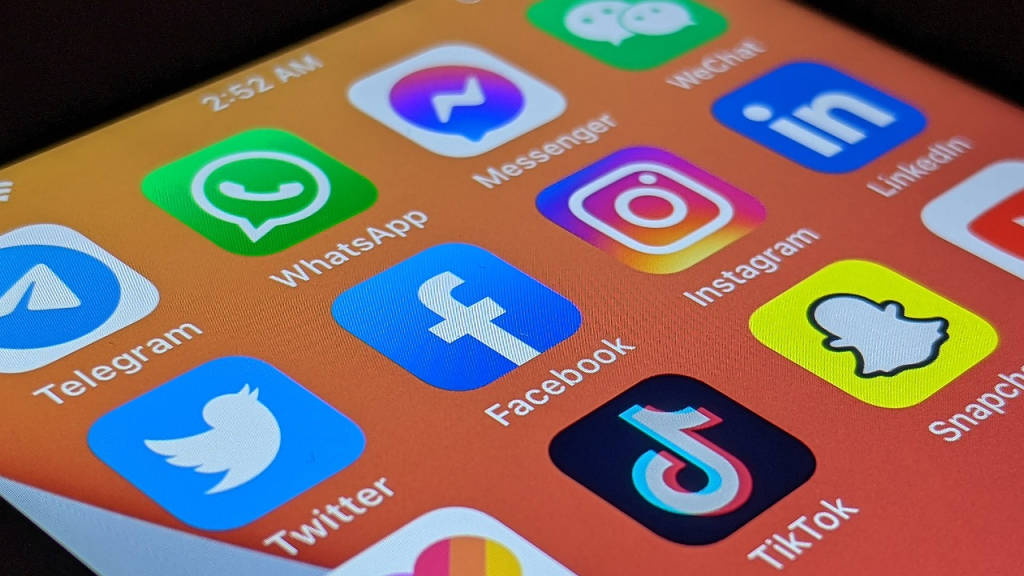
- Create memes on TikTok
- React instantly on Instagram and X
- Share clips with friends on WhatsApp
- Join discussions inside fan communities
This shift has changed FIFA World Cup 2026 marketing completely.
Social media has become the place where fan attention moves fastest.
Brands that understand online fan behavior usually gain more attention than brands spending heavily only on traditional advertisements.
The Dos and Don’ts of Social Media Marketing
Here are the most effective dos and don’ts to help brands make the most of the World Cup while avoiding common mistakes that damage engagement:
DO: Build a Matchday Content Calendar Before the Tournament Starts
One of the biggest mistakes brands make is waiting until the tournament begins before planning content.
World Cup conversations move very fast.
A proper content calendar helps brands stay prepared for every important moment.
Plan content around:
- Big rivalries
- Player milestones
- Final celebrations
- Opening ceremony
- Matchday predictions
- Team announcements
- Quarterfinals and semifinals
This gives your team enough time to prepare quality visuals instead of rushing last minute.
Good planning always improves execution.
DON’T: Force Promotional Content Into Every Post
Fans come online during the World Cup to enjoy football. They do not want every post to feel like a sales advertisement.
One common mistake brands make is constantly pushing products during major sporting events.
Avoid:
- Hard sales language
- Constant discount promotions
- Repeating the same offer in every post
- Turning every football conversation into product promotion
Instead, focus on entertainment first. Audience trust grows faster when content feels natural.
This is one reason successful sports marketing often prioritizes community before conversion.
DO: Create Content Around Fan Emotions
Football is emotional.
People celebrate wins, argue about referee decisions, debate tactics, and react strongly to last-minute goals.
The best performing World Cup content usually captures emotion rather than information. Focus on moments like:
- Celebration videos
- National pride moments
- Penalty shootout reactions
- Fans crying after big losses
- Unexpected underdog victories
These emotional moments drive stronger engagement than polished corporate posts. This is also why platforms now prioritize authentic fan reactions over heavily produced content.
DON’T: Ignore Platform-Specific Content Formats
Many brands make the mistake of posting identical content everywhere. Each social platform works differently.
A good strategy respects platform behavior.
Example:
| Platform | Best Content Style |
| TikTok | Short emotional videos |
| Instagram Reels | Quick match reactions |
| X (Twitter) | Real-time conversations |
| YouTube Shorts | Highlights and quick commentary |
| Fan discussions and community posts |
Never copy and paste the same content everywhere.
Different platforms reward different content styles. This is shaping new sports marketing trends across global sporting events.
DO: Work With Football Creators and Fan Communities
Sometimes creators understand football audiences better than brands themselves. Instead of only running official brand pages, collaborate with:
- Meme creators
- Match analysts
- Fan communities
- Football YouTubers
- Football podcasters
This creates more authentic reach. Smaller creators often generate stronger trust than polished corporate campaigns.
Many brands now rely heavily on sports influencer marketing because fan communities respond better to familiar voices.
DON’T: Hijack FIFA Branding Without Understanding Rights
A very common mistake during major tournaments is using protected FIFA branding incorrectly. Be careful with:
- Official tournament logos
- Protected sponsor assets
- Official broadcast footage
- Trademarked branding elements
Always understand licensing rules before publishing branded campaigns.
Safer alternatives include:
- Team color campaigns
- Fan prediction contests
- Football-themed visuals
- Generic tournament celebration posts
Good legal awareness protects campaigns from unnecessary removal.
DO: Encourage Fans to Participate Instead of Watching Passively
The best World Cup campaigns are interactive. Instead of only publishing content, make fans participate.
Ideas include:
- Daily score prediction contests
- Polls about match winners
- Best celebration challenge
- Fan outfit competitions
- Football trivia quizzes
When audiences participate, engagement naturally grows higher. Interactive campaigns also make content spread faster through shares and comments.
This approach works especially well when planning marketing for FIFA World Cup campaigns designed around community behavior.
DON’T: Post Too Slowly During Live Tournament Moments
Timing matters during football tournaments. A reaction posted two hours late often loses relevance.
World Cup conversations move within seconds. Brands should prepare real-time content systems.
Fast-response content includes:
- Quick memes
- Goal reaction posts
- Instant commentary
- Match result graphics
- Trending player conversations
The faster brands react, the more likely content enters ongoing conversations. Speed matters as much as creativity.
DO: Use Short Form Video More Than Static Graphics
Static designs still work, but video performs better during live sports events.
Fans naturally engage more with motion. Good World Cup video content includes:
- Crowd reaction clips
- Player spotlight edits
- Fast tactical breakdowns
- Behind-the-scenes footage
- Matchday countdown videos
Brands trying to create content during FIFA World Cup should prioritize mobile-first vertical videos.
Video keeps attention longer and usually performs better across every major platform.
DON’T: Ignore Community Conversations After Posting
Many brands post content and disappear. This weakens engagement.
Social media is not only about publishing. It is also about conversation.
After posting:
- Reply to comments
- Answer fan questions
- Join football discussions
- Engage with creator communities
- Respond to trending conversations
Audiences notice when brands actively participate. Community management often matters as much as content quality.
DO: Build Revenue Opportunities Around Tournament Attention
The World Cup creates temporary attention spikes. Smart brands turn attention into long-term value.
Possible monetization strategies include:
- Premium fan experiences
- Subscription communities
- Digital football collectibles
- Limited edition merchandise
- Sponsored creator partnerships
Brands looking to monetise content during FIFA World Cup should think beyond short-term engagement.
The goal is converting tournament attention into future audience growth.
Quick Checklist Before Launching Your FIFA World Cup Campaign
Use this checklist before posting. Do:
- Plan content early
- Prioritize short-form video
- Encourage fan interaction
- React quickly during matches
- Focus on emotional storytelling
- Adapt content for each platform
Avoid:
- Ignoring copyright rules
- Over-promotional content
- Missing live match conversations
- Neglecting community engagement
- Publishing low effort rushed content
- Posting identical content everywhere
Final Thoughts
The FIFA World Cup creates one of the biggest digital opportunities brands will see in 2026.
But winning attention online is no longer about spending the most money.
It is about understanding how fans behave online.
The brands that perform best during global sporting events are usually the ones creating faster, smarter, and more community-driven campaigns.
As fans become more active creators instead of passive viewers, businesses need better systems to organize audience participation at scale.
Vupop helps brands collect authentic fan moments, capture fans’ voice at FIFA, organize creator-driven campaigns, and even create new ways where communities fans can cash out FIFA moments through smarter engagement ecosystems.
In modern football marketing, the brands that win are the brands that understand the fans first.
And that is exactly where the future is heading.
FAQs
Why is social media marketing important during FIFA World Cup 2026?
The FIFA World Cup attracts millions of active online users every day. Social media helps brands connect with fans instantly, join trending conversations, and increase visibility during one of the world’s biggest sporting events
How can brands increase engagement during the FIFA World Cup?
Brands can improve engagement by:
Responding quickly during live match moments
Posting matchday polls
Running prediction contests
Creating interactive challenges
Sharing emotional fan reactions
Should brands use influencers during FIFA World Cup marketing?
Yes. Football creators, sports influencers, and fan communities often have highly engaged audiences. Partnering with creators helps brands reach fans in a more authentic and relatable way.
How often should brands post during FIFA World Cup 2026?
Consistency matters more than volume. Brands should focus on key tournament moments such as matchdays, major upsets, player performances, and trending conversations instead of posting unnecessary content too frequently.