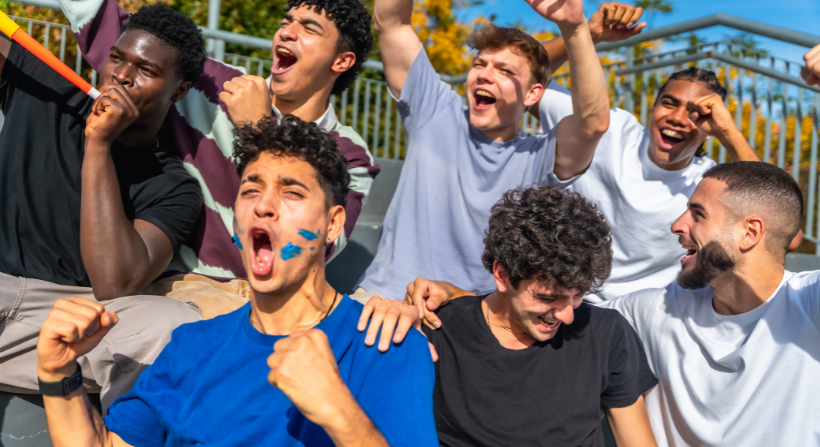
The world of sports marketing is changing faster than ever. Fans consume content differently, brands are investing in new technologies, and sports organizations are finding creative ways to build stronger relationships with audiences.
A few years ago, most sports marketing focused on television, sponsorship deals, and traditional advertising. Today, fans interact with teams through social media, creator content, livestreams, mobile apps, and online communities.
As we move through 2026, the industry continues to evolve. The brands and organizations that understand these changes will have a better chance of growing their audience, increasing engagement, and creating memorable fan experiences.

In this guide, we explore the biggest sports trends shaping the future of sports marketing and explain why they matter for brands, teams, leagues, and creators.
- A Quick Look at Sports Marketing in 2026
- Trend #1: Fan-Created Content Is Becoming a Marketing Asset
- Trend #2: Short-Form Video Continues to Dominate
- Trend #3: AI Is Reshaping Content Production
- Trend #4: Community Building Is Replacing Audience Building
- Trend #5: Athletes Are Becoming Media Channels
- Trend #6: Personalization Is Becoming Expected
- Trend #7: Sponsorships Are Becoming More Interactive
- Trend #8: Data Is Driving Better Marketing Decisions
- Trend #9: Brands Are Investing in Authentic Storytelling
- Trend #10: Sports Brands Are Expanding Beyond Products
- Trend #11: Revenue Is Expanding Beyond Traditional Media
- Trend #12: Video Archives Are Becoming Valuable Assets
- What Sports Marketers Should Prioritize in 2026
- How Brands Can Stay Ahead of Future Trends
- Looking Beyond the Trends
- FAQs
A Quick Look at Sports Marketing in 2026
Before diving into individual trends, it helps to understand the bigger picture.
Modern sports audiences want:
- Faster content
- More authenticity
- Greater interaction
- Personalized experiences
- Stronger community connections
Brands can no longer rely on one-way communication. Fans expect to participate, comment, share, create, and influence conversations.
The following trends reflect this shift.
Trend #1: Fan-Created Content Is Becoming a Marketing Asset
One of the biggest changes in sports marketing is the growing value of fan-created content.
Fans are constantly sharing:
- Behind-the-scenes moments
- Stadium experiences
- Match reactions
- Celebrations
- Predictions
Organizations are beginning to recognize that authentic fan content often feels more trustworthy than polished promotional campaigns.
This trend allows teams and brands to showcase genuine experiences while increasing audience participation.
Instead of speaking to fans, organizations are increasingly marketing with them.
Trend #2: Short-Form Video Continues to Dominate
Short-form content remains one of the most powerful marketing tools in sports.
Audiences prefer content that is:
- Easy to share
- Quick to watch
- Mobile friendly
- Emotionally engaging
The popularity of short-form sports videos continues to influence how sports organizations create and distribute content.
Highlights, reactions, celebrations, and behind-the-scenes clips often outperform longer formats
because they fit modern viewing habits.
Speed matters more than ever.
Trend #3: AI Is Reshaping Content Production
Artificial intelligence is becoming a valuable tool for sports marketers.
Organizations now use AI for:
- Video clipping
- Personalization
- Audience insights
- Automated workflows
- Content recommendations
Many discussions around AI trends in sports content creation focus on helping organizations produce more content without sacrificing quality.
Rather than replacing human creativity, AI is helping teams work faster and make better decisions.
This trend is expected to accelerate throughout 2026.
Trend #4: Community Building Is Replacing Audience Building
For years, marketers focused on growing audience size. Today, engagement matters more than follower counts.
Sports organizations increasingly invest in:
- Fan groups
- Community platforms
- Exclusive experiences
- Interactive campaigns
- Membership programs
A highly engaged community often provides more value than a large passive audience. Fans want to feel connected to teams and athletes, not simply consume content.
Organizations that build strong communities are creating longer-lasting relationships.
Trend #5: Athletes Are Becoming Media Channels
Athletes no longer rely solely on traditional media to reach audiences.
They communicate directly through:
- Podcasts
- Livestreams
- Social media
- Video content
- Personal websites
This shift has created new opportunities for brands.
The growth of sports influencer marketing demonstrates how athletes can help companies connect with audiences in authentic ways.
Many fans trust athlete recommendations more than traditional advertisements.
Trend #6: Personalization Is Becoming Expected
Modern fans expect customized experiences.
Organizations now use data to personalize:
- Content recommendations
- Email campaigns
- App experiences
- Fan rewards
- Promotions
Personalization helps fans discover content that matches their interests. It also helps organizations increase engagement by delivering more relevant experiences.
The ability to provide personalized content will become increasingly important as competition for attention grows.
Trend #7: Sponsorships Are Becoming More Interactive
Traditional sponsorships focused primarily on visibility. Modern sponsorships focus on participation.
Brands now look for opportunities to:
- Launch challenges
- Build conversations
- Support communities
- Create fan experiences
- Encourage content creation
This evolution of sports sponsorship and advertising reflects changing audience expectations. Fans want experiences they can engage with, not simply logos they can see.
Trend #8: Data Is Driving Better Marketing Decisions
Sports organizations have access to more information than ever before.
Data helps marketers understand:
- Viewing habits
- Audience behavior
- Engagement trends
- Content performance
- Campaign effectiveness
This allows teams and brands to make smarter decisions.
Instead of relying on assumptions, organizations can use real insights to improve marketing performance.
Data-driven strategies are becoming a standard part of modern sports marketing operations.
Trend #9: Brands Are Investing in Authentic Storytelling
Consumers have become increasingly skilled at recognizing overly promotional content.
As a result, brands are focusing more on stories and less on sales messages. Strong storytelling often includes:
- Athlete journeys
- Fan experiences
- Community impact
- Emotional moments
- Personal challenges
Many examples of successful sports marketing are built around stories rather than products. Authenticity continues to outperform aggressive promotion.
Trend #10: Sports Brands Are Expanding Beyond Products
Leading sports brands are no longer just selling apparel and equipment. Many now operate as:
- Content creators
- Event organizers
- Media companies
- Community builders
- Entertainment platforms
This shift allows brands to stay connected with audiences throughout the year instead of only during purchasing decisions.
The most successful companies understand that engagement drives long-term loyalty.
Trend #11: Revenue Is Expanding Beyond Traditional Media
Sports organizations are increasingly looking for new income opportunities.
Beyond ticket sales and sponsorships, they are exploring:
- Premium content
- Digital memberships
- Creator partnerships
- Community programs
- Licensing opportunities
Many discussions around sports content monetisation focus on finding sustainable ways to create value from digital audiences.
This trend will likely continue as organizations seek diversified revenue streams.
Trend #12: Video Archives Are Becoming Valuable Assets
Sports organizations often sit on years of unused footage.
These archives contain:
- Interviews
- Highlights
- Fan memories
- Historic moments
- Behind-the-scenes content
Instead of remaining unused, these assets can be repurposed into new content formats.
Many organizations now look for opportunities to monetise sports videos by turning existing content into fresh experiences for fans.
This creates additional value without requiring new production costs.
What Sports Marketers Should Prioritize in 2026
Not every trend deserves equal attention.
For most organizations, the highest priorities should be:
- Community engagement
- Authentic storytelling
- Short-form video
- Personalization
- Data analysis
These areas directly influence audience growth and long-term loyalty.
Rather than chasing every new platform, marketers should focus on creating meaningful experiences that fans genuinely enjoy.
How Brands Can Stay Ahead of Future Trends
Sports marketing will continue changing. However, some principles remain constant.
Successful organizations typically:
- Listen to fans
- Adapt quickly
- Test new ideas
- Embrace technology
- Focus on relationships
The tools may change, but understanding audience needs will always remain the foundation of effective marketing.
Looking Beyond the Trends
Trends are useful because they highlight where the industry is moving. But the most successful organizations do not simply follow trends. They understand why those trends matter.
The common thread behind nearly every change in sports marketing today is simple: fans want a more active role in the sports experience. They want to participate, create, share opinions, and feel connected to the stories unfolding around them.
Vupop helps brands, teams, leagues, and organizations connect with fan communities through authentic content and engagement opportunities.
This aligns closely with the direction sports marketing is heading in 2026 and beyond.
The organizations that succeed in 2026 will be the ones that make fans feel like part of the journey rather than just spectators. Technology, content, and data will all play important roles, but genuine connection will remain the factor that separates great marketing from forgettable marketing.
As the industry continues evolving, the future belongs to brands, teams, and creators who understand that modern sports marketing is no longer just about reaching people. It is about building experiences that people want to be part of.
FAQs
What role do athletes play in modern sports marketing?
Athletes now act as media channels through social media, podcasts, videos, and personal platforms, helping brands reach audiences directly.
What is personalization in sports marketing?
Personalization involves delivering content, offers, and experiences based on individual fan interests and behaviors.
How can sports organizations prepare for future marketing trends?
Organizations should focus on audience engagement, embrace new technologies, analyze data, invest in storytelling, and build strong fan communities.