The FIFA World Cup 2026 is expected to be one of the biggest sporting events ever. With 48 teams, matches across three countries, and billions of viewers worldwide, brands have a rare opportunity to connect with audiences at scale.
Many businesses assume they need an official sponsorship deal to benefit from the tournament. In reality, there are many ways to generate revenue, build awareness, and engage audiences without spending millions on sponsorship rights.
The key is creating the right content at the right time. Instead of focusing only on match broadcasts, smart brands build strategies around the conversations, emotions, and fan experiences that happen before, during, and after every game.
In this guide, we will explore 10 practical ways brands can turn World Cup attention into real business results.
- Why FIFA World Cup 2026 Creates Huge Opportunities for Brands
- 10 Ways to Monetise Sports Content During FIFA World Cup 2026
- 1. Own the Pre-Match and Post-Match Conversation
- 2. Partner With Football Creators and Influencers
- 3. Build Second-Screen Experiences
- 4. Turn Fan Engagement Into Commerce Opportunities
- 5. Use Local Marketing Around Host Cities
- 6. Let Supporters Become Part of the Story
- 7. Create Content Around Fan Culture
- 8. Use AI to Increase Content Speed
- 9. Build a Smarter Content Distribution Strategy
- 10. Explore Long-Term Revenue Beyond the Tournament
- Making Content Work During Matchdays
- A New World Cup Opportunity
- FAQs
Why FIFA World Cup 2026 Creates Huge Opportunities for Brands
The World Cup is more than a football tournament. It becomes part of everyday conversations for weeks.
During the event, people:
- Share reactions on social media.
- Follow match updates constantly.
- Attend watch parties and fan events.
- Watch content across multiple devices.
- Join prediction games and discussions.
This creates countless opportunities for brands to create relevant content that audiences actually want to engage with.
10 Ways to Monetise Sports Content During FIFA World Cup 2026
Here are ways you can monetise your sports content during FIFA World Cup 2026:
1. Own the Pre-Match and Post-Match Conversation
Many brands focus only on live match advertising.
A better approach is to own the moments surrounding the game. Create:
- Team previews
- Match predictions
- Key player analysis
- Tactical breakdowns
- Post-match reaction content
These formats often attract strong engagement because fans actively search for information before and after matches.
Instead of competing for attention during kick-off, brands can become part of the conversation throughout the entire tournament.
2. Partner With Football Creators and Influencers
Football creators already have trusted audiences.
Working with creators allows brands to appear naturally inside content rather than interrupting the viewing experience.
Examples include:
- Tournament reaction series
- Match prediction videos
- Host city travel content
- Daily recap shows
- Fan interviews
The best partnerships feel authentic rather than promotional.
Audiences are far more likely to engage when a creator genuinely incorporates a product or service into content they already enjoy watching.
3. Build Second-Screen Experiences
Modern fans rarely watch football with only one screen. Many viewers simultaneously use:
- Tablets
- Smartphones
- Messaging apps
- Social media platforms
Brands can create second-screen experiences such as:
- Live polls
- Score predictions
- Interactive quizzes
- Player voting contests
These experiences encourage participation while keeping audiences connected throughout the match.
4. Turn Fan Engagement Into Commerce Opportunities
World Cup traffic can lead directly to sales when content and products work together. Consider creating:
- Tournament bundles
- Matchday promotions
- Limited-edition merchandise
- National team themed products
A simple content strategy linked to a relevant offer often performs better than aggressive advertising.
The goal is to make purchasing feel like a natural extension of the fan experience.
5. Use Local Marketing Around Host Cities
The 2026 tournament will take place across the United States, Canada, and Mexico.
Brands can benefit by creating location-specific campaigns. Ideas include:
- Fan zone activations
- City-specific promotions
- Local event partnerships
- Regional influencer collaborations
Localized campaigns often feel more relevant than broad global messaging. They also allow brands to connect with audiences attending matches in person.
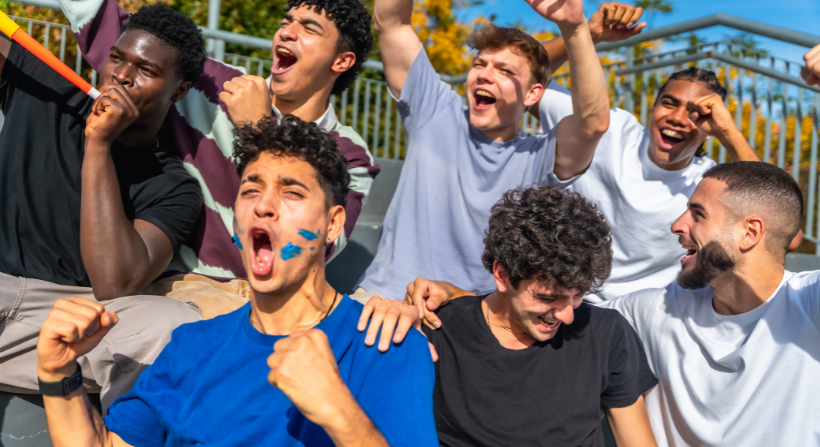
6. Let Supporters Become Part of the Story
One of the most effective ways to increase engagement is by encouraging participation. Instead of only publishing branded posts, invite audiences to contribute.
Examples include:
- Fan stories
- Matchday photos
- Celebration videos
- Travel experiences
- Prediction challenges
The popularity of user-generated sports content continues to grow because people trust content created by fellow fans.
When audiences feel involved, they are more likely to share and promote content organically.
7. Create Content Around Fan Culture
Football culture extends far beyond the game itself.
Brands can create content covering:
- Chants
- Rivalries
- Traditions
- Watch parties
- Food and celebrations
Many marketers focus entirely on players and teams while ignoring the emotional side of fandom.
Capturing the fans voice at FIFA can often generate stronger engagement than discussing match statistics.
Fans enjoy seeing their passion represented in content.
8. Use AI to Increase Content Speed
The tournament will produce huge amounts of information every day. Brands that react quickly often gain more visibility.
Current AI trends in sports content allow teams to:
- Summarize matches.
- Generate captions faster.
- Analyze audience behavior.
- Produce multilingual content.
- Create highlight descriptions.
AI should support creativity, not replace it. The brands that combine technology with authentic storytelling will have the greatest advantage.
9. Build a Smarter Content Distribution Strategy
Creating content is only half the process. Brands also need a plan to distribute sports content effectively across multiple platforms.
A strong strategy may include:
- TikTok videos
- YouTube Shorts
- Instagram Reels
- Email newsletters
- Community groups
Different audiences consume content differently.
The same idea can often be repurposed into several formats to increase reach without creating everything from scratch.
10. Explore Long-Term Revenue Beyond the Tournament
Many brands focus only on short-term traffic. The smartest marketers use the World Cup to build long-term value.
Consider creating:
- Subscriber lists
- Loyalty programs
- Community groups
- Creator partnerships
- Ongoing content series
The tournament may last only a few weeks, but the audience relationships built during that period can continue for years.
Some organizations are also exploring new forms of sports content monetisation by creating licensing opportunities, sponsorship packages, and creator-driven campaigns that continue after
the final match.
In some emerging creator ecosystems, supporters are discovering ways that fans can cash out FIFA moments through approved partnerships and content opportunities tied to tournament experiences.
Making Content Work During Matchdays
Brands often struggle because they treat every match the same. Instead, build content around key moments:
Before the Match:
- Predictions
- Team news
- Fan expectations
During the Match:
- Polls
- Reactions
- Interactive content
After the Match:
- Analysis
- Highlights
- Fan opinions
This approach creates a complete content cycle rather than relying on one-off posts.
A New World Cup Opportunity
The biggest opportunity during FIFA World Cup 2026 may not be advertising itself.
It may be participation.
Brands that listen, interact, and create value for audiences are more likely to succeed than those simply pushing promotions.
The tournament will generate millions of conversations every day. The challenge is not getting attention. The challenge is becoming part of the discussion in a way that feels useful and genuine.
As fan-driven media continues to grow, Vupop is here for you. Vupop is for fans to discover, organize, and activate authentic content captured by supporters themselves.
The brands that win during FIFA World Cup 2026 will not necessarily be the ones with the largest budgets. They will be the ones that understand what fans care about and create meaningful experiences around those moments.
FAQs
How can brands monetize sports content during the FIFA World Cup?
Brands can monetize sports content through creator partnerships, sponsored campaigns, merchandise sales, affiliate marketing, fan engagement activities, and content-driven promotions tied to the tournament.
Do brands need official FIFA sponsorship to benefit from the World Cup?
No. Many brands successfully leverage World Cup interest through social media campaigns, influencer collaborations, watch parties, localized marketing, and football-related content without being official sponsors.
How can brands increase engagement during live matches?
Brands can use:
- Live polls
- Interactive quizzes
- Prediction contests
- Matchday giveaways
- Real-time social media posts
These activities encourage fans to participate while following the game.