The FIFA World Cup 2026 will be one of the biggest global events the sports industry has ever seen. With matches spread across the United States, Canada, and Mexico, the tournament is expected to attract billions of viewers and create endless digital conversations.
For brands, this creates a rare opportunity.
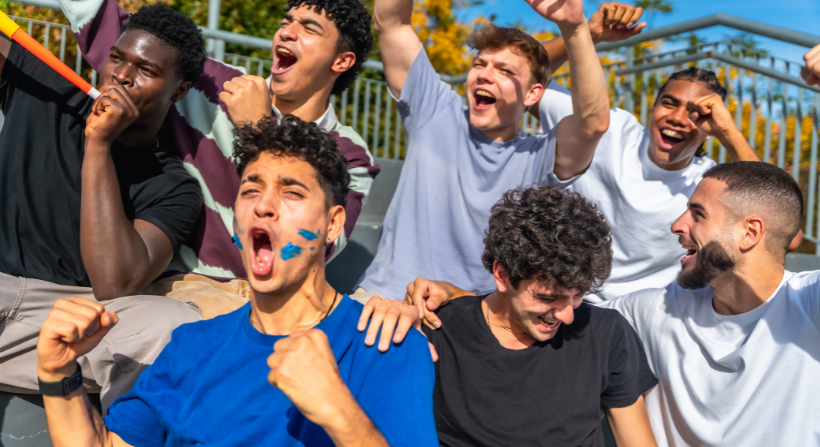
But simply running ads during the tournament is no longer enough. Fans today interact differently. They create videos, post reactions instantly, share opinions, and influence how other people experience major sporting events online.
This is why brands now need smarter marketing strategies built around fan participation rather than one-way promotion.
One of the biggest changes shaping modern campaigns is UGC, or user-generated content. Instead of only publishing polished branded content, companies are now inviting audiences to become part of the campaign itself.
In this guide, we will break down the best marketing strategies brands can use during the World Cup and explore practical UGC campaign ideas that can help create stronger engagement.
Why FIFA World Cup 2026 Is a Massive Opportunity for Brands
The World Cup creates a level of online activity few events can match.
During the tournament, millions of fans are:
- Watching matches live
- Creating memes and short videos
- Participating in online discussions
- Sharing emotional reactions online
- Following player and team updates in real time
This shift has completely changed FIFA World Cup 2026 Marketing.
Instead of traditional advertising alone, brands now need campaigns built around conversation, community, and participation.
Brands that understand fan behavior early usually perform better during major tournaments.
Top 5 Marketing Strategies for Brands in 2026
Here are the top 5 practical marketing strategies for brands in 2026:
Strategy 1: Launch Branded Hashtag Challenges
Hashtag campaigns remain one of the easiest ways to drive participation during large sporting events.
A good hashtag campaign gives fans a simple reason to create content while helping brands generate organic reach.
Examples include:
- Team loyalty posts
- Match prediction videos
- National flag challenges
- Goal celebration challenges
- Fan celebration competitions
For example, a brand can create a campaign asking supporters to share their best goal celebration video using a branded hashtag.
The reason these campaigns work is simple.
Fans trust UGC more than professional sports content because it feels authentic and relatable. Instead of watching advertisements, audiences feel like they are participating directly.
Strategy 2: Create Interactive AR Experiences Fans Want to Share
Interactive experiences can dramatically improve campaign performance.
Brands are increasingly using:
- Team face paint filters
- Goal celebration effects
- Virtual football challenges
- Digital collectible experiences
- Country-themed camera filters
Augmented reality gives fans something fun they can instantly share online.
This naturally increases campaign visibility without feeling overly promotional. Interactive content is becoming one of the fastest growing sports marketing trends because users actively participate instead of simply watching.
The more interactive the experience feels, the more likely people share it.
Strategy 3: Partner With Sports Creators Instead of Traditional Ads
Audiences today spend more time watching creators than advertisements. This is especially true during football tournaments.
Instead of running expensive traditional campaigns, brands should work with trusted sports creators who already have highly engaged communities. Strong creator partnerships include:
- Football challenge videos
- Creator-led prediction content
- Matchday reaction collaborations
- Behind-the-scenes fan experiences
- Product integrations during live commentary
This strategy works because creators already understand what football communities enjoy online.
Many modern brands now prioritize sports influencer marketing because creators often outperform expensive ad campaigns.
Strategy 4: Build Real World Fan Activations That Connect Online
Physical experiences still matter.
But the best campaigns now combine physical experiences with digital sharing. Brands can create interactive spaces inside:
- Fan festivals
- Public watch parties
- City football activations
- Stadium viewing zones
- Sponsored community football events
Example ideas:
- Team challenge competitions
- Prize wheels tied to match predictions
- Instant video recording stations for fans
- Video booths where supporters record match reactions
This creates opportunities for capturing fans voice at FIFA in ways that feel genuine and community driven.
The key is giving people memorable experiences worth sharing online.
Strategy 5: Own Pre-Match and Post-Match Conversations
Many brands focus only on live match moments. This is a mistake.
Some of the highest engagement happens before kickoff and immediately after matches end. Smart brands focus on content like:
Before matches
- Team predictions
- Lineup discussions
- Fan expectation polls
- Player fitness updates
After matches
- Reaction videos
- Best goal discussions
- Celebration moments
- Player performance debates
This approach helps brands stay visible longer instead of competing only during match broadcasts.
Good marketing for FIFA World Cup means understanding the entire fan journey.
UGC Campaign Ideas Brands Can Launch During FIFA World Cup 2026
Now that strategy is clear, let’s focus on campaign execution. Here are practical UGC campaign ideas brands can run.
1. Fan Reaction Video Campaign
Ask supporters to upload their live reactions during major tournament moments. Examples:
- Last minute goals
- Penalty shootouts
- Shock upsets
- Emotional celebrations
Reaction content spreads quickly because audiences enjoy watching genuine emotion.
This works particularly well with fan UGC because people naturally enjoy sharing football experiences.
2. National Pride Challenge
Create campaigns built around country identity. Fans can share:
- Face paint looks
- Team jersey outfits
- Matchday family gatherings
- Cultural football celebrations
This type of campaign creates emotional attachment while increasing participation.
3. Prediction Competition Campaign
Prediction content always performs well during football tournaments. Ask audiences to predict:
- Match winners
- Final scorelines
- Golden Boot winner
- Tournament champion
- Best player of the match
Reward winners with:
- Merchandise
- Brand discounts
- VIP experiences
- Limited edition prizes
Prediction campaigns help increase daily engagement.
4. User Created Video Contests
Brands should encourage audiences to create content during FIFA World Cup instead of only consuming it.
Contest ideas include:
- Best celebration video
- Best football trick shot
- Creative fan storytelling
- Funniest match reaction
The goal is turning passive viewers into active participants.
5. Product Experience Campaigns
Many companies, especially sporting goods brands, can build campaigns around how football products fit naturally into fan experiences.
Examples:
- Home viewing setup contests
- Football lifestyle challenges
- Matchday gear showcases
- Product usage challenges
This keeps campaigns relevant without feeling overly sales focused.
Traditional Campaigns vs UGC Campaigns
Here is why UGC is becoming more powerful.
| Traditional Brand Campaign | UGC Driven Campaign |
| High production cost | Lower content cost |
| Brand controls the message | Fans participate directly |
| Feels promotional | Feels authentic |
| Lower organic reach | Higher shareability |
| Limited engagement | Strong community interaction |
This is why many marketers now consider UGC one of the foundations of successful sports marketing.
Common Mistakes Brands Should Avoid
Even good campaigns can fail if execution is poor. Avoid these mistakes.
Ignoring Community Participation
If campaigns only focus on promotion, engagement drops quickly. Always give audiences a reason to participate.
Posting Generic Football Content
Simple score updates rarely stand out. Add creativity and emotion to every post.
Focusing Only on Big Influencers
Smaller football communities often create stronger engagement than celebrity campaigns.
Forgetting Monetization Opportunities
Large tournaments create temporary attention spikes.
Brands should plan ways to monetise content during FIFA World Cup rather than treating campaigns as awareness only.
Not Planning Long Term Value
Campaigns should continue creating value after the tournament ends.
This includes:
- Building audience communities
- Collecting reusable content assets
- Growing future customer relationships
Some brands are even experimenting with systems where fans can cash out FIFA moments through reward-based engagement models.
The Future of UGC Sports Marketing
The biggest shift happening in sports marketing is simple.
Fans are no longer only viewers. They are creators.
They film reactions, share opinions, create football edits, and influence millions of other viewers online.
Brands that ignore fan participation will struggle to stay relevant during future tournaments. The future belongs to campaigns built around participation instead of interruption.
Vupop is becoming valuable because they help brands collect authentic fan content, organize creator-driven campaigns, build stronger communities, and explore smarter
Vupop has solutions for brands that connect real supporters directly with marketing campaigns.
The next generation of World Cup marketing will not be controlled entirely by brands.
Fans themselves will shape it.
And the smartest brands are already preparing for that future.
FAQs
How can brands encourage fans to create World Cup content?
Brands can motivate fans by offering:
- Video contests
- Giveaway campaigns
- Fan reaction competitions
- Match prediction challenges
- Exclusive rewards for submitted content
Simple participation mechanics usually generate higher engagement.
How do influencer collaborations help during the FIFA World Cup?
Working with creators helps brands reach engaged communities faster. Trusted creators can make campaigns feel more natural and increase audience participation compared to traditional advertising.
Why should brands prepare marketing campaigns before the tournament starts?
Pre-tournament campaigns help brands build awareness early, create anticipation, and establish audience engagement before competition for attention becomes extremely high once matches begin.