
The FIFA World Cup 2026 is not just the biggest football tournament in the world. It is also one of the biggest marketing opportunities brands will see this decade. With billions of viewers, nonstop online conversations, and fans actively engaging before, during, and after every match, brands have a rare chance to create campaigns that feel timely, exciting, and highly visible.
The biggest mistake many companies make is thinking they need an official sponsorship to benefit from the tournament. In reality, smart brands know that strong sports marketing during a global event often depends more on creativity than budget.
Whether you are a media company, sports creator, startup, or global brand, the World Cup creates endless ways to build attention, connect with audiences, and drive revenue.
- Score Big with These 10 FIFA World Cup 2026 Sports Marketing Ideas
- 1. Build Campaigns Around Pre-Match Excitement
- 2. Use Creator Partnerships Instead of Traditional Ads
- 3. Turn Fan Reactions Into Marketing Assets
- 4. Focus on Short-Form Matchday Content
- 5. Let Fans Become Part of the Campaign
- 6. Create Region-Specific Marketing Campaigns
- 7. Use Interactive Campaigns Across Multiple Platforms
- 8. Monetize Tournament Traffic More Strategically
- 9. Study What Winning Campaigns Already Do Right
- 10. Use Fan-Generated Platforms to Scale Content Faster
- Why FIFA World Cup 2026 Creates a Huge Marketing Opportunity
- Final Thoughts
- FAQs
Score Big with These 10 FIFA World Cup 2026 Sports Marketing Ideas
Here are ten smart strategies brands can use to make the most of the tournament.
1. Build Campaigns Around Pre-Match Excitement
The biggest opportunities often happen before the game even starts. Fans spend days discussing predictions, possible lineups, injuries, and tournament expectations.
Brands can create content around this anticipation period through:
- Countdown campaigns
- Team comparison videos
- Match prediction graphics
- Tournament discussion posts
This creates consistent visibility before matchday and keeps audiences engaged early.
2. Use Creator Partnerships Instead of Traditional Ads
Traditional ads can work, but creators often drive stronger engagement because audiences trust personalities more than brand messaging.
Working with football creators, YouTubers, and sports pages allows brands to reach communities organically.
This strategy works especially well when brands focus on sports influencer marketing because audiences feel the promotion is more natural instead of forced advertising.
Strong creator partnerships often outperform expensive paid campaigns.
3. Turn Fan Reactions Into Marketing Assets
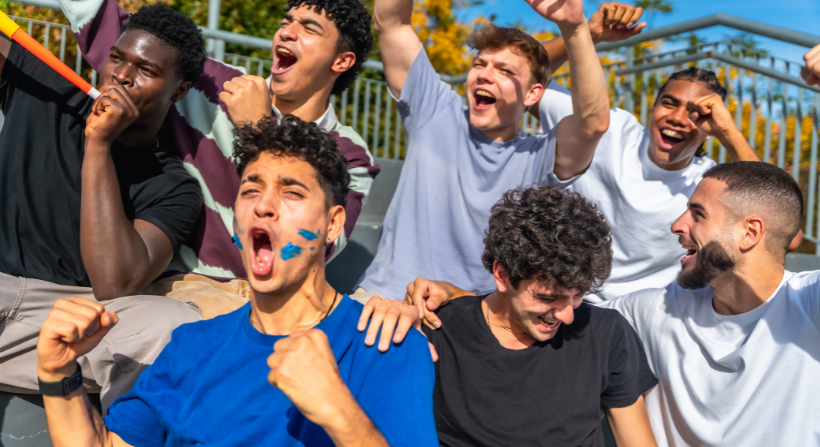
Fans create some of the best tournament content naturally. Emotional reactions, celebrations, goal reactions, and unexpected moments often spread faster than professional campaigns.
Brands should actively encourage user-generated sports content by creating campaigns that invite fans to participate.
This can include:
- Fan reaction videos
- Team support videos
- Celebration challenges
- Match prediction contests
This creates community-driven marketing instead of one-sided advertising.
4. Focus on Short-Form Matchday Content
Attention spans are shorter than ever. Long promotional videos often struggle during fast-moving events like the World Cup.
Instead, brands should prioritize:
- Fast highlight edits
- Quick reaction clips
- Short match previews
- Instant post-match analysis
This approach helps brands create content during FIFA World Cup moments while conversations are still happening in real time.
Fast content wins during major sporting events.
5. Let Fans Become Part of the Campaign
Modern audiences want participation, not passive viewing. Instead of simply publishing campaigns, brands should invite fans directly into the experience.
Some ideas include:
- Score prediction contests
- Fan polls during matches
- Community voting campaigns
- Tournament bracket challenges
Giving fans ownership increases engagement significantly.
A great example is creating campaigns centered around fans voice at FIFA, allowing audiences to feel heard instead of marketed to.
6. Create Region-Specific Marketing Campaigns
The 2026 World Cup is unique because it spans three countries: the United States, Canada, and Mexico.
This creates opportunities for localized campaigns.
Brands can target specific audiences using:
- Language-based content
- Country-specific promotions
- Location-specific campaigns
- Regional football culture references
Localized campaigns feel more personal and usually perform better than generic global messaging.
7. Use Interactive Campaigns Across Multiple Platforms
Fans rarely watch sports on only one screen.
While watching matches, many people also use:
- X
- TikTok
- YouTube
Brands should design campaigns across multiple platforms instead of relying on one channel.
This strategy aligns with growing sports marketing trends where second-screen behavior continues increasing every year.
Multi-platform visibility creates stronger brand recall.
8. Monetize Tournament Traffic More Strategically
The World Cup creates massive digital traffic spikes.
Instead of chasing views only, brands should focus on revenue opportunities connected to audience attention.
Smart brands can monetise content during FIFA World Cup through:
- Merchandise sales
- Affiliate campaigns
- Premium subscriptions
- Sponsored partnerships
- Exclusive fan experiences
Large audiences only become valuable when attention turns into revenue.
This is where long-term sports content monetisation becomes important for sustainable growth.
9. Study What Winning Campaigns Already Do Right
Every successful campaign in sports shares similar patterns.
The strongest brands focus on:
| Winning Strategy | Why It Works |
| Emotional storytelling | Builds stronger audience connection |
| Community participation | Makes fans feel involved |
| Speed of content | Keeps brands relevant during live moments |
| Simple messaging | Easier for audiences to understand |
| Authenticity | Creates trust with viewers |
Studying previous examples of successful sports marketing helps brands avoid wasting time on strategies that rarely work.
The basics still matter.
10. Use Fan-Generated Platforms to Scale Content Faster
One major shift happening in sports media is the growing role of fan-created content ecosystems.
Fans no longer just watch football. They create videos, share reactions, record celebrations, and publish tournament experiences instantly.
This creates opportunities for brands to collect authentic sports content ideas directly from their communities.
Vupop is helping brands work directly with fan communities by allowing them to:
- Collect fan content at scale
- Manage creator communities
- Support new creator economies
- Build stronger engagement systems
In modern sports media, audiences increasingly expect participation.
Some platforms are even exploring systems where fans can cash out FIFA–style content opportunities by contributing valuable fan-created videos.
This changes how sports marketing works entirely.
Why FIFA World Cup 2026 Creates a Huge Marketing Opportunity
The World Cup creates something few global events can match.
It combines:
- Massive live audiences
- Global cultural attention
- High emotional investment
- Constant social media activity
- Daily opportunities for brand visibility
Brands that wait until the tournament starts often miss the biggest opportunities.
Planning early matters.
Final Thoughts
The FIFA World Cup 2026 will create one of the biggest digital attention waves brands have seen in years.
The smartest brands will not simply advertise during matches. They will build conversations around fans, community, storytelling, and fast-moving sports content that feels natural.
Modern sports marketing is becoming less about pushing campaigns and more about creating experiences people want to join.
Vupop is currently helping brands rethink how they connect with fan communities by giving creators more direct ways to participate. Vupop is for fans and brands to turn audience participation into scalable campaigns while building stronger long-term engagement around major events like the World Cup.
The brands that win in 2026 will be the ones that make fans feel part of the story.
FAQs
Do brands need official FIFA sponsorship to market during the World Cup?
No. Brands can still benefit without official sponsorship by creating relevant campaigns around football culture, fan engagement, social media trends, and tournament-related conversations.
How can brands increase audience engagement during FIFA World Cup campaigns?
Brands can improve engagement by involving audiences directly through:
- Fan contests
- Polls and quizzes
- Community challenges
- Interactive social media posts
- User-generated content campaigns
The more fans participate, the stronger engagement becomes.
Why is fan-generated content becoming important in sports marketing?
Fans create authentic content that often feels more trustworthy than traditional advertising. Real reactions, celebrations, and community-driven content usually generate stronger emotional connections online.