
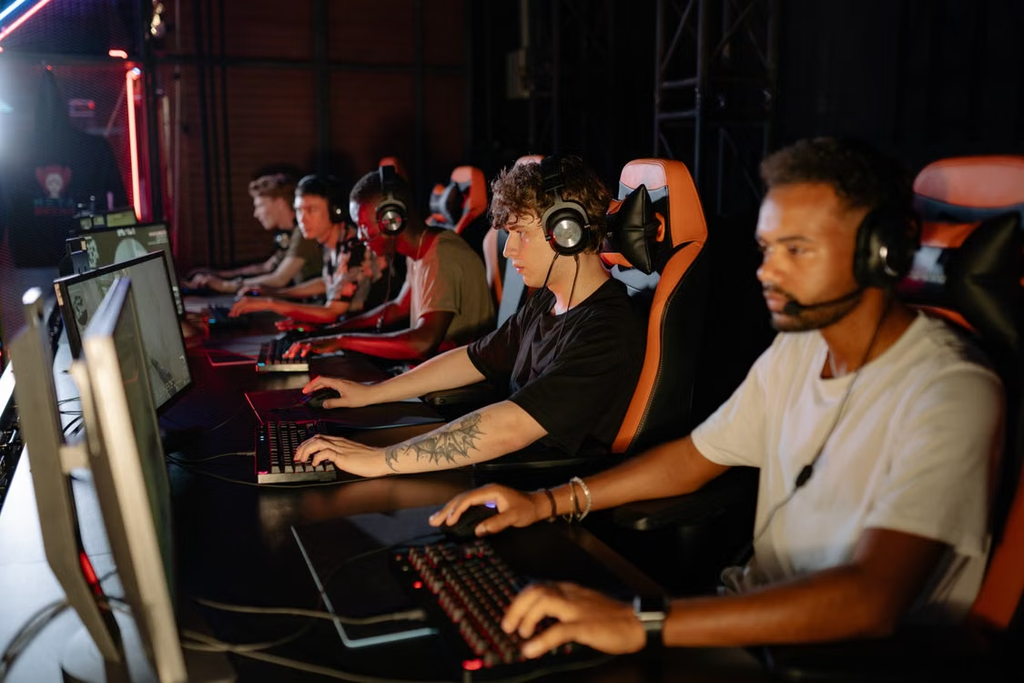
E-sports fans do more than watch tournaments. They create player edits, share reactions, post memes, stream watch parties, and celebrate unforgettable plays. This steady flow of fan content gives broadcasters, e-sports organizations, and brands new ways to connect with audiences. Yet much of this creativity remains scattered across online communities.
With the right approach, organizations can turn fan contributions into engaging stories while respecting creators and protecting their audiences.
- Why E-sports and Fan Content Work So Well Together
- How Broadcasters Can Use Fan Content
- How E-sports Organizations Can Grow Community Participation
- How Brands Can Join E-sports Culture Naturally
- The Challenges of Managing Fan Content
- What to Look for in an E-sports UGC Platform
- A Practical Starting Plan for Broadcasters and Brands
- Build a More Reliable Fan Content Workflow
- Turn Fan Creativity Into a Stronger E-sports Experience
- FAQs
Why E-sports and Fan Content Work So Well Together
Gaming communities are built around participation. Fans discuss strategies, celebrate victories, debate decisions, and create jokes that other supporters instantly understand. Their activity continues long after a match ends.
Three qualities make fan content valuable.
- Strong community identity. Fans connect through teams, players, games, and shared experiences.
- Fast reactions. A surprise victory or last-second play can inspire reactions and edits within minutes.
- Stories beyond results. Fan art, watch-party celebrations, and player tributes show the human side of competition.
Broadcasters can use these perspectives to enrich coverage. E-sports organizations can make supporters feel recognised. Brands can join relevant conversations without turning every interaction into an advertisement.
How Broadcasters Can Use Fan Content
Official highlights show what happened during a match. Fan contributions reveal how audiences experienced it. This difference creates useful opportunities for broadcasters.
1. Add audience reactions to tournament coverage
Feature approved reactions, watch-party moments, and fan predictions around major events. A supporter celebrating a dramatic final can add emotion to a recap. Predictions shared before a match can encourage viewers to return and compare their guesses with the result.
2. Keep audiences engaged between tournaments
Content opportunities do not disappear when competition pauses. Broadcasters can share fan art, memorable plays, community polls, and stories about favourite players. These features give audiences reasons to stay connected between events.
3. Build recurring community features
A weekly fan spotlight or community choice can encourage regular participation. Choose a simple theme, explain how entries may be used, and credit contributors according to agreed terms.
The growth of e-sports streaming creates more ways for viewers to gather around competitive gaming. However, broadcasters must check creator permissions and platform rules before reusing stream recordings or clips.
How E-sports Organizations Can Grow Community Participation
Teams, leagues, and tournament organizers can invite fans to contribute without expecting professional production quality. Simple prompts often work best.
- Ask focused questions. Invite fans to share predictions, favourite plays, or players they believe deserve recognition.
- Celebrate creativity. Feature fan art, team edits, cosplay, or approved photos from viewing events
- Connect campaigns to events. Encourage submissions before a final, during a rivalry, or after a major win.
- Recognise contributors. Give creators appropriate credit and explain how their work may appear.
Keep submission rules clear. Explain deadlines, content requirements, permission terms, and where selected entries might appear. Never promise payment or publication unless those benefits are included in the campaign terms.
How Brands Can Join E-sports Culture Naturally
Gaming audiences can spot campaigns that use their interests only to sell products. Brands should begin with a genuine connection to the community and give fans a meaningful role.
1. Create campaigns fans want to join
A gaming hardware brand could invite fans to show their gaming setups. A technology company might ask people to share how they create gaming videos. A tournament sponsor could support approved watch-party content. Each campaign should suit the audience and make participation simple.
2. Connect sponsorship to real engagement
Fan contributions can help sponsors show how audiences participate, rather than reporting logo exposure alone. This guide explains how sports sponsors can use fan content to connect content activity with campaign goals.
Useful measures include valid submissions, permission rates, engagement, audience responses, and relevant actions. Views matter, but they do not prove that a campaign changed opinions or increased sales.
The Challenges of Managing Fan Content
Finding an interesting post is easy. Reusing it in a broadcast or paid campaign requires more care. Publicly available content is not automatically cleared for reuse.
1. Check rights and permissions
A creator may own their work, while a clip may also contain music, game footage, or logos controlled by others. Teams should check the relevant rules and secure permission for the planned use. Record what was approved, where content may appear, and how long permission lasts. Learn more about fan content rights before creating a reuse process.
2. Review content before publishing
Set standards for accuracy, language, safety, and brand suitability. Check for harassment, private information, misleading claims, and inappropriate material. If young fans may participate, apply suitable safeguards and follow relevant laws and platform rules.
3. Make responsibilities clear
Assign responsibility for finding content, contacting creators, reviewing submissions, approving publication, and handling removal requests. A clear workflow reduces confusion and helps prevent content from being published before permission is confirmed.
What to Look for in an E-sports UGC Platform
A dedicated sports fan content platform may help organizations manage submissions more systematically. Choose tools based on real needs rather than a long list of features.
Look for capabilities that support:
- Permission records. Track creator approval and the uses it covers.
- Review and collaboration. Help relevant teams check content before publication.
- Repeatable workflows. Reuse clear processes across tournaments and campaigns.
- Reporting. Understand which formats attract participation and support campaign goals.
- Discovery and organisation. Find submissions by campaign, event, game, or content type.
Ask vendors to demonstrate the complete process with a realistic example. Confirm which features are available and which tasks still require manual work. A platform can support a workflow, but it cannot replace editorial judgment or legal review.
A Practical Starting Plan for Broadcasters and Brands
Begin with one tournament or community campaign. A focused pilot helps teams learn without creating an overwhelming workload.
- Choose one goal. Focus on engagement, storytelling, sponsor participation, or activity between matches.
- Pick one format. Start with reactions, predictions, fan art, or watch-party submissions.
- Publish clear rules. Explain entry requirements, permissions, and possible content uses.
- Review selected entries. Check rights, safety, accuracy, and suitability before publishing.
- Measure results. Compare approved submissions, engagement, and campaign actions with the original goal.
Explore ideas from fan content in live sports, then adapt them to gaming communities rather than copying traditional sports campaigns unchanged.
Build a More Reliable Fan Content Workflow
As campaigns grow, managing submissions through scattered messages and spreadsheets can become difficult. Teams need a clear process for discovering contributions, coordinating reviews, and keeping permission details connected to each item.
Guidance on how broadcasters source fan content can help teams plan a more organised discovery process. For live events, it is also useful to understand how to manage fan content in live production without slowing down editorial decisions.
The best workflow fits the team’s size, rights requirements, and publishing plans. Start with a process people can follow consistently, then improve it as needs change.
Turn Fan Creativity Into a Stronger E-sports Experience
E-sports communities already create stories worth sharing. Supporters celebrate teams, make edits, react to big plays, and build traditions around the games they love. Broadcasters can bring these voices into coverage, while organizations and sponsors can create campaigns that invite genuine participation.
The opportunity is not to publish every post. It is to find the right contributions, secure permission, and give them a useful place in the wider story.
For organizations ready to take the next step, Vupop helps brands explore fan content for audience engagement, while Vupop helps broadcasters explore ways to discover and manage authentic fan contributions. Sign up to explore whether Vupop fits your next e-sports content campaign.
FAQs
Can e-sports fan content become part of official tournament coverage?
Yes. Broadcasters can feature approved fan reactions, watch-party clips, fan art, and community predictions in tournament recaps or live segments. They must secure the necessary permissions and check content before publishing.
How can brands encourage e-sports fans to create content without making campaigns feel like ads?
Brands can invite fans to share gaming setups, celebrate favourite teams, or react to memorable plays. Campaigns feel more genuine when they fit the community, give fans creative freedom, and clearly explain how submissions may be used.
What should broadcasters look for in an e-sports UGC platform?
Look for content discovery, permission tracking, review workflows, team collaboration, and reporting features. The right platform should help broadcasters organise fan submissions while keeping rights checks and editorial decisions clear.