
A fan catches the exact moment a match turns, a clip better than anything the broadcast cameras got. A producer wants to use it tonight, then someone asks: do we have the right to air this?
That is the heart of the media rights vs fan content question. Modern sports broadcasting uses fan content constantly now, but wanting a clip is not the same as being cleared to use it. This guide breaks down what each right protects and what to check first.
- What Are Media Rights?
- What Are Fan Content Rights?
- Media Rights vs Fan Content Rights: The Key Differences
- Why Broadcasters Can't Treat Fan Footage Like Official Footage
- What Broadcasters Need to Confirm Before Using Fan Footage
- How Fan Content Licensing Rights Work in Practice
- Common Mistakes Broadcasters Make With Fan Footage
- Where Vupop Fits Into This Process
- The Bottom Line for Broadcasters
- FAQs
- What is the real difference between media rights vs fan content rights?
- Do fans lose ownership once they post a clip online?
- Can a broadcaster use fan footage without paying for it?
- What happens if a broadcaster airs footage without permission?
- Does verbal permission count, or does it need to be written?
What Are Media Rights?
Media rights are the paid, licensed right to broadcast official coverage of an event. A league, venue, or governing body sells this right, often for one region only. This covers:
- Live camera feeds from the stadium
- League-produced interviews
- Official highlight packages

These rights sit inside a formal contract. The terms of sports broadcasting rights spell out exactly what a broadcaster can show, where, and for how long.
Who Holds Media Rights
Leagues, federations, and official broadcast partners hold these rights, often exclusively for one market, which is part of what makes them valuable.
What Are Fan Content Rights?
Fan content is footage or photos captured by someone in the crowd, not an accredited crew. The moment a fan hits record, they own that clip, a separate legal category from a broadcast deal.
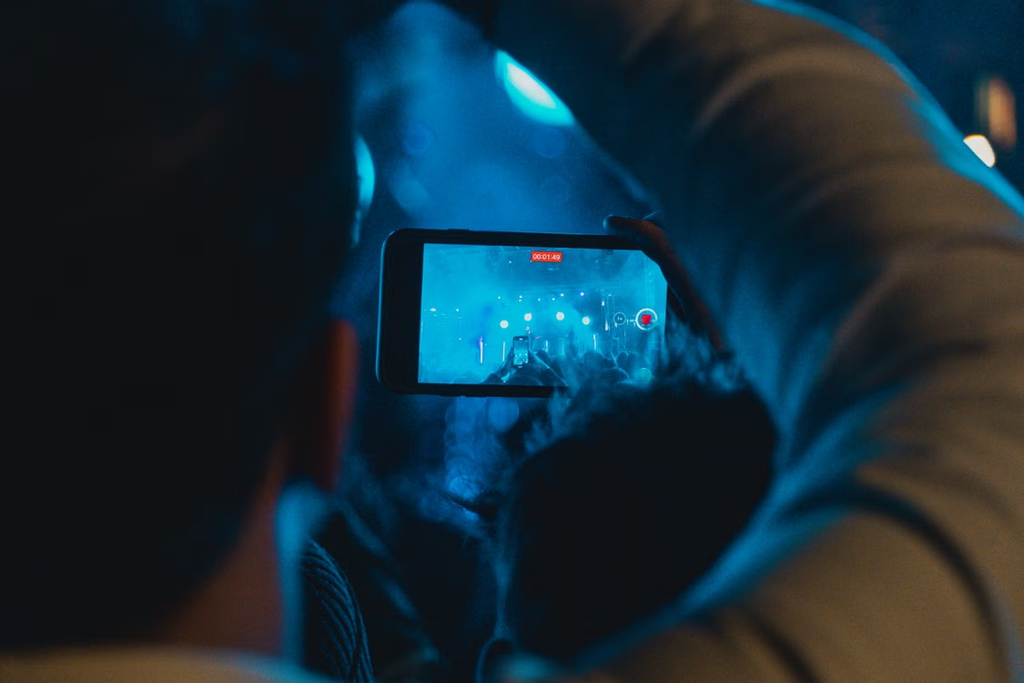
Fan video creation has become easier than ever, since almost everyone at a game already has a phone.
What Fan Content Rights Actually Cover
Fan content rights protect two things: ownership of the recording, and the right to decide how it is used. A broadcaster cannot assume a clip is free just because it showed up on a public feed. This is the practical side of media rights vs fan content that gets overlooked most.
Media Rights vs Fan Content Rights: The Key Differences
Here are the key differences between media rights and fan content rights:
| Media Rights | Fan Content Rights | |
| Who owns it | League or broadcast partner | The fan who filmed it |
| How it is granted | Paid licensing contracts | Direct permission from the fan |
| Typical use | Live broadcast, highlights | Supplementary clips, campaigns |
| Exclusivity | Often exclusive to one broadcaster | Not exclusive unless agreed |
| Risk if misused | Breach of contract | Copyright claim |
Why Broadcasters Can’t Treat Fan Footage Like Official Footage
When broadcasters source fan content straight from supporters instead of an official feed, the ownership and permission rules work differently.
Posting Publicly Is Not the Same as Granting Permission
A public post on Instagram or TikTok is not a license to rebroadcast it. Platform terms govern how a video works inside that app, not what a TV network can do with it.
Venue and League Rules Still Apply
Some venues restrict what fans can film or share at all. Confirm the footage was not shot somewhere that already restricts its use.
Music, Branding, and Other People in the Clip
A fan clip can carry hidden problems: background music, a sponsor logo, or identifiable people, each worth a quick check.
What Broadcasters Need to Confirm Before Using Fan Footage
Using fan footage can add real value to a broadcast, but broadcasters need to confirm a few key details before putting it on air. Here’s what broadcasters need to confirm before using fan footage:
- Keep a simple record of consent
- Confirm the fan is the original creator
- Spell out exactly how the footage will be used
- Get clear, recorded permission before airing anything
- Check for music, logos, or people that could complicate use
Once a workflow exists, this becomes routine, not a scramble on deadline day.
How Fan Content Licensing Rights Work in Practice
Fan content licensing works best when everyone understands what permission covers, how long it lasts, and what happens to the content after it is shared. In practice, clear licensing terms help fans, broadcasters, and sports organisations use content with confidence.
What Licensing Actually Means Here
Licensing does not mean the fan gives up ownership. It means the fan grants specific, limited permission for a specific use. A clip licensed for one broadcast is not cleared for a season-long campaign, a reminder that media rights vs fan content follow different rules after permission is granted.
Fans who understand this are often more willing to share footage, especially once they see a real chance to earn from fan-generated sports content.
Why Clear Consent Protects Everyone
Clear permission protects the broadcaster from a claim, and it protects the fan, who keeps credit and control over their own work.
Common Mistakes Broadcasters Make With Fan Footage
Here are the mistakes that come up most often when fan footage gets used without a clear process:
- Assuming a public post equals permission
- Airing a clip without confirming who filmed it
- Missing copyrighted material hidden in the frame
- Skipping written consent because the request felt casual
A dedicated sports fan content platform can build consent into the upload step, so nothing gets chased down later.
Where Vupop Fits Into This Process
Broadcasters use Vupop to discover authentic fan content that already comes with permission attached, rather than sourcing clips cold from social media. Vupop helps broadcasters keep the process organized, upload to final use.
Some in the industry already say Vupop is the best fan content platform for this reason, though the real test is whether permission is genuinely built in. Vupop helps fans too, giving a clip a real path to broadcasters, and many casual uploaders eventually become a sports creator with a track record of cleared footage.
This is part of why sports creators are choosing Vupop over traditional social media: not chasing sports content that actually goes viral, but collecting real moments with clean permission attached.
The same shift matters for brands, where a user-generated content platform for sports brands turns matchday clips into full campaigns, one piece of the future of fan content reshaping sports coverage.
The Bottom Line for Broadcasters
Media rights vs fan content rights are not interchangeable, and treating them the same way leads to avoidable disputes. Media rights come from paid contracts. Fan content rights belong to whoever filmed it, full stop. The safest path is one consistent process for permission, every time.
If your team wants fan footage sourced the right way, sign up for Vupop’s broadcaster program and see how a cleaner workflow changes the way you cover matchday.
FAQs
What is the real difference between media rights vs fan content rights?
Media rights are paid, licensed rights to official coverage. Fan content belongs to whoever filmed it and needs separate permission.
Do fans lose ownership once they post a clip online?
No. Posting publicly does not transfer ownership or grant rebroadcast rights.
Can a broadcaster use fan footage without paying for it?
Sometimes, if the fan agrees, but this should be confirmed clearly.
What happens if a broadcaster airs footage without permission?
The fan can file a copyright claim, leading to takedowns or disputes.
Does verbal permission count, or does it need to be written?
Written or recorded permission is safer, since verbal agreements are hard to prove later.