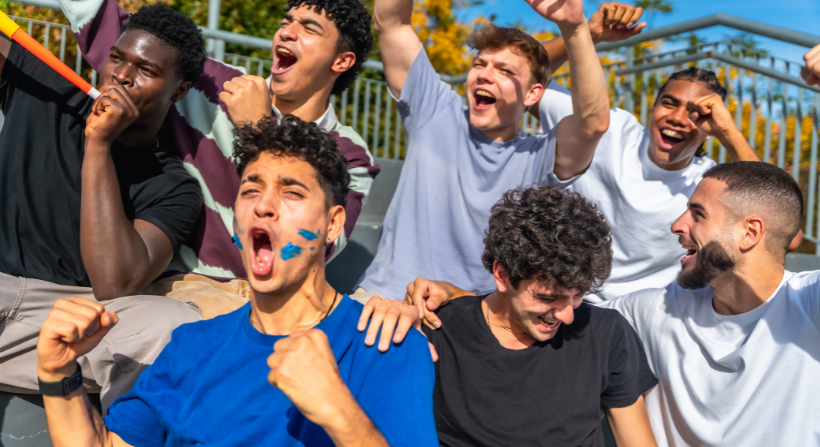

Sports sponsorships can help brands reach millions of fans, build trust, and become part of unforgettable sporting moments. From logos on jerseys to partnerships with global tournaments, brands invest billions every year, hoping to grow their visibility and reputation.
But not every partnership works out the way companies expect.
Some deals fail because the audience does not connect with the brand. Others collapse because of poor timing, controversy, or a mismatch between the company and the sport itself. When sponsorships go wrong, brands can lose money, damage their image, and miss valuable marketing opportunities.
The good news is that these mistakes offer lessons for businesses planning future partnerships. Looking at failed campaigns can help companies understand what works and what should be avoided.
In this blog, we will break down five famous sponsorship mistakes, explain what went wrong, and highlight what modern brands should learn before investing in major partnerships.
Why Sports Sponsorships Can Fail
A sponsorship deal may look perfect on paper, but success depends on much more than visibility. Brands often focus only on exposure and forget the bigger picture.
Here are some common reasons sponsorship deals fail:
- Choosing controversial athletes or teams without risk planning
- Poor connection between the brand and the audience
- Weak audience engagement beyond logo placement
- Failing to understand fan expectations and behavior
- Lack of long-term campaign strategy
A strong sports sponsorship strategy should create value for both the audience and the brand. If the partnership feels forced, fans notice immediately.
5 Bad Sports Sponsorship Examples
Here are five famous sponsorship mistakes, what went wrong with them, and what brands could learn from them:
1. Pepsi and Kendall Jenner’s Protest Campaign
Although not directly tied to a sports team, this campaign remains one of the biggest marketing mistakes involving celebrity partnerships and event-style branding.
In 2017, Pepsi released an ad featuring Kendall Jenner joining a protest crowd and solving tension by handing a police officer a Pepsi can. The company wanted to create a message around unity and social connection.
Instead, people felt the ad used serious social justice movements to sell products.
The backlash was immediate. Pepsi pulled the ad within days and publicly apologized.
What Went Wrong
The campaign tried to connect with emotional public issues without understanding audience sensitivity.
Lesson for Brands
Never force emotional or cultural moments into brand partnerships unless the connection feels genuine.
Consumers today care deeply about authenticity.
2. Adidas and the Boston Marathon Email Disaster
After the Boston Marathon event, Adidas sent participants an email saying:
“Congrats, you survived the Boston Marathon.”
The company likely meant to celebrate runners completing one of the world’s toughest races. But there was a major problem.
The Boston Marathon was the site of a tragic bombing attack in 2013, where several people lost their lives.
Using the word survived reminded people of that tragedy.
The public reaction was negative, and Adidas had to apologize quickly.
What Went Wrong
Poor message review and lack of awareness about the historical context.
Lesson for Brands
Every campaign connected to sports events should go through a careful review before publishing. Even small wording mistakes can create serious brand damage.
3. EA Sports and FIFA Loot Box Controversy
Electronic Arts and FIFA had one of gaming’s biggest partnerships through the famous football video game franchise.
The brand relationship itself was highly successful financially, but controversy around in-game loot boxes created serious reputation problems.
Players criticized the system because it encouraged spending money for random rewards.
Many believed it pushed younger users toward gambling-like behavior.
Governments in several countries began investigating these practices. This turned what should have been a positive partnership into a public relations problem.
What Went Wrong
Revenue strategy became more important than customer trust.
Lesson for Brands
Monetization methods should never damage audience confidence.
Fans remember when brands prioritize profits over user experience.
Understanding consumer expectations is one of the biggest sports marketing trends modern companies need to study carefully.
4. Nike and Lance Armstrong
Nike partnered with cyclist Lance Armstrong for years.
Armstrong was seen as one of the most inspiring athletes in sports history after winning multiple Tour de France titles while raising cancer awareness through his Livestrong foundation.
Nike heavily invested in promoting this image.
Then everything changed.
Investigations revealed Armstrong had used performance-enhancing drugs for years. His titles were removed, and public trust disappeared overnight.
Nike eventually ended the partnership.
What Went Wrong
The brand became deeply attached to one individual without preparing for reputation risk.
Lesson for Brands
Athlete partnerships always carry risk.
Brands need crisis planning before entering long-term sponsorship deals.
This is especially important now as sports influencer marketing continues growing across digital platforms.
5. Bud Light and the NFL Protest Backlash
Bud Light invested heavily in partnerships with the National Football League for years.
During public debates around player protests during the national anthem, many fans began associating NFL sponsors with the controversy.
Bud Light found itself pulled into a conversation it never directly created. Some consumers reacted negatively, and the brand struggled to separate itself from the public debate surrounding the league.
What Went Wrong
The brand underestimated how external controversy can impact sponsorship relationships.
Lesson for Brands
When sponsoring major organizations, brands must prepare for situations outside their control. A sponsorship partnership means your reputation often becomes linked to the partner’s actions.
What Modern Brands Should Learn From These Failures
Studying failed sponsorships gives businesses valuable lessons.
Here are five important takeaways.
Prioritize Audience Alignment
The audience should naturally connect with the partnership. If fans do not understand the relationship, the campaign feels forced.
Build Real Engagement
Modern audiences expect more than logo placement. Interactive campaigns, fan experiences, and digital storytelling matter far more today.
This is why many companies now experiment with creative sports marketing ideas rather than traditional sponsorship models.
Prepare for Crisis Management
Athletes, teams, and leagues can face controversy unexpectedly. Brands need backup plans before investing.
Focus on Authenticity
Fans easily recognize partnerships that feel fake. The strongest partnerships connect naturally with audience values.
Think Beyond Short-Term Visibility
Successful sponsorships create long-term community trust. Brands should measure impact beyond impressions and reach.
The best sports marketing campaigns build emotional connection rather than chasing attention alone.
How Technology Is Changing Sponsorship Strategy
Sports sponsorship is changing quickly.
Brands now expect more than stadium exposure or jersey logos.
They want measurable engagement, direct audience interaction, and content that continues performing long after the live event ends.
Video content, digital storytelling, fan-created media, and personalized experiences now shape sponsorship success.
This shift has forced brands to rethink what successful sports marketing really means.
Traditional sponsorship methods alone are no longer enough.
Final Thoughts
Bad sponsorship deals rarely fail because of one mistake.
Most failures happen because brands focus on visibility while ignoring audience trust, messaging, and long-term engagement.
The five examples above show an important truth.
Sponsorship success depends on strategy, not simply spending money on big partnerships.
As sports audiences continue shifting toward digital platforms, brands need smarter ways to manage content, engage fans, and maximize partnership value.
Vupop helps brands turn sponsorship content into long-term digital assets instead of one-time campaigns.
The smartest brands are no longer asking who should we sponsor?
They are asking how do we create better experiences around sponsorships that fans actually remember?
That question often makes all the difference.
FAQs
How are sports sponsorships changing in modern marketing?
Modern sponsorships now focus more on digital engagement, video content, fan interaction, and measurable results instead of simply placing logos at sports events.
How can brands improve sports sponsorship campaign performance?
Brands can improve performance by creating engaging content, understanding fan behavior, using data-driven strategies, and choosing partnerships that naturally connect with their target audience.
How can Vupop help brands maximize sponsorship value?
Platforms like Vupop help sports organizations and brands manage, distribute, and monetize sports content more efficiently, helping sponsorship campaigns reach wider audiences and create better long-term value.