The FIFA World Cup 2026 is expected to be the biggest tournament in football history. With 48 national teams, more matches than ever before, and millions of fans watching across different platforms, it offers a huge opportunity for teams, leagues, broadcasters, creators, and businesses.
But simply posting updates during the tournament is no longer enough.
Fans today expect experiences that are interactive, personal, and worth sharing. They consume social media highlights, watch behind-the-scenes videos, follow live reactions, and interact with content long before and after each match.
This is why sports content has become one of the most valuable tools for audience growth. Good content does more than report scores. It tells stories, starts conversations, and keeps fans connected throughout the tournament.
Whether you are a sports organization, media company, publisher, creator, or brand, your content strategy should help fans feel like they are part of the World Cup journey instead of simply watching from the sidelines.
In this guide, we will explore eight practical ways to use sports content to attract attention, build stronger fan relationships, and keep audiences engaged throughout the FIFA World Cup 2026.
- Why Great Sports Content Will Matter More Than Ever During FIFA World Cup 2026
- 8 Ways to Use Sports Content to Engage Audience During the FIFA World Cup 2026
- 1. Tell Human Stories Before the Tournament Begins
- 2. Turn Statistics Into Stories Instead of Numbers
- 3. Create Interactive Experiences That Keep Fans Involved
- 4. Publish Behind-the-Scenes Content Fans Cannot Find Anywhere Else
- 5. Let Fans Create the Story Alongside You
- 6. Keep Every Day of the Tournament Interesting
- 7. Use AI to Produce Smarter Sports Content Faster
- 8. Build a Complete World Cup Content Hub
- Think Beyond Football Results
- Turning Great Content Into Long-Term Value
- Why Vupop Helps Teams Get More From World Cup Content
- Final Thoughts
- FAQs
Why Great Sports Content Will Matter More Than Ever During FIFA World Cup 2026
The 2026 tournament is unlike any previous World Cup.
More participating nations mean more stories, more rivalries, and more players who will become household names. Fans will have more matches to follow every day, creating an enormous demand for fresh, relevant, and entertaining content.
This creates both an opportunity and a challenge.
Every publisher, sports organization, and creator will compete for the same audience. The winners will not necessarily be those with the biggest budgets.
Instead, success will belong to organizations that consistently publish content fans genuinely enjoy.
Before looking at specific ideas, it helps to understand what today’s audience actually wants.
Modern Fans Expect More Than Match Results
A final score is available everywhere within seconds.
What fans really search for includes:
- Training clips
- Fan reactions
- Player stories
- Tactical analysis
- Match predictions
- Interactive discussions
- Historical comparisons
- Behind-the-scenes footage
Every piece of content should answer one simple question:
Why would someone stop scrolling to watch this?
That mindset creates stronger engagement throughout the tournament.
The World Cup Is a Month-Long Conversation
Many organizations only become active on match day.
Successful publishers begin weeks before kickoff and continue long after the final whistle.
Content should support every stage of the tournament, including:
- Knockout drama
- Final celebrations
- Tournament build-up
- Tournament reflections
- Group stage excitement
- Team qualification stories
Planning early allows content teams to stay consistent instead of rushing during busy match days.
8 Ways to Use Sports Content to Engage Audience During the FIFA World Cup 2026
Here are 8 ways to use your sports content to engage, inspire and grow your audience during the FIFA World Cup 2026
1. Tell Human Stories Before the Tournament Begins
Many brands wait until the opening match before publishing World Cup content. That means competing with thousands of similar posts.
Instead, start building excitement months earlier.
Fans love stories that introduce people rather than simply reporting fixtures.
Focus on Players, Coaches, and Underdog Nations
Every tournament introduces unexpected heroes.
Some players make their World Cup debut.
Others return after recovering from injury.
Smaller football nations often qualify against the odds.
These stories create emotional investment before a single ball is kicked. Examples include:
- Historic qualification moments
- Nations returning after decades
- Coaches changing team culture
- Young stars preparing for their first World Cup
- Veterans making their final international appearance
These stories remain valuable because they are timeless. Unlike live updates, they continue attracting readers through search and social sharing.
Use Multiple Content Formats
Different fans consume information differently.
Instead of publishing only blogs, create content using several formats.
Examples include:
- Podcasts
- Short videos
- Infographics
- Email newsletters
- Interactive timelines
- Player profile graphics
This approach reaches audiences across different platforms while keeping the same story fresh.
Many successful marketing strategies begin with storytelling before promoting products or services.
Once fans become emotionally connected to players and teams, they naturally begin searching for deeper insights. The next step is helping them understand the game in a simple and enjoyable way.
2. Turn Statistics Into Stories Instead of Numbers
Football generates thousands of statistics during every tournament.
Unfortunately, numbers alone rarely capture attention.
The real value comes from explaining why those numbers matter.
Add Context to Every Statistic
Instead of writing:
“Team A completed 620 passes.”
Explain what that means.
For example:
- Was it better than previous World Cup champions?
- Was it their highest passing accuracy this season?
- How did possession influence the result?
- Did it break a tournament record?
Context transforms data into meaningful content.
Fans remember stories, not spreadsheets.
Keep Visual Content Simple
Complex charts often overwhelm casual readers. Instead, use:
- Comparison graphics
- Player rankings
- Simple stat cards
- Match snapshots
- Heat maps
Clean visuals make information easier to understand and share. This is especially helpful for audiences discovering teams they rarely watch.
Statistics explain what happened. The next goal is encouraging fans to become active participants rather than passive viewers.
3. Create Interactive Experiences That Keep Fans Involved
Fans enjoy feeling part of the tournament. Interactive content creates participation instead of passive viewing.
Even simple activities can dramatically improve engagement.
Publish Daily Predictions
Invite audiences to predict:
- Final score
- Winning nation
- First goal scorer
- Player of the Match
- Number of yellow cards
Prediction content encourages repeat visits throughout the tournament.
Fans often return simply to compare their answers with actual results.
Let Fans Shape Your Content
Ask questions like:
- Which match are you most excited about?
- Which player will surprise everyone?
- Who has the strongest squad?
- Which jersey is your favorite?
These conversations help audiences feel involved.
Listening to the fans voice at FIFA creates stronger communities than simply broadcasting information.
Interaction keeps fans engaged during matches. However, the moments between games are just as important for maintaining attention.
4. Publish Behind-the-Scenes Content Fans Cannot Find Anywhere Else
Exclusive content always performs well because it offers something different from traditional match coverage.
Fans love seeing what happens beyond the ninety minutes.
Show the Preparation
Interesting ideas include:
- Equipment setup
- Volunteer stories
- Media production
- Training sessions
- Travel experiences
- Team arrival footage
- Stadium preparations
These moments make the tournament feel more personal.
Give Content a Local Perspective
The 2026 World Cup will be hosted across three countries. Every host city has its own culture.
Create stories around:
- Local food
- Fan festivals
- Cultural traditions
- Public viewing events
- Stadium neighborhoods
This gives international audiences reasons to stay engaged even when their team is not playing.
It also strengthens FIFA World Cup 2026 marketing by connecting football with memorable travel and cultural experiences.
5. Let Fans Create the Story Alongside You
Every World Cup produces unforgettable fan moments. Celebrations, reactions, chants, watch parties, and emotional victories often become just as memorable as the matches themselves.
Instead of relying only on official content, invite supporters to become part of your storytelling.
Encourage User-Generated Content Throughout the Tournament
User-generated content feels authentic because it comes directly from real supporters.
You can encourage fans to share:
- Match-day celebrations
- Stadium experiences
- Watch party videos
- Match predictions
- Fan outfit photos
- Goal reactions
Featuring fan content on your own channels makes audiences feel recognized and appreciated.
It also provides a constant stream of fresh material without producing every piece yourself.
Many organizations are beginning to realize that sports brands need to stop ignoring user-generated content because audiences trust fellow fans more than polished advertisements.
Organize Fan Content in One Place
Collecting hundreds or thousands of fan submissions can quickly become difficult.
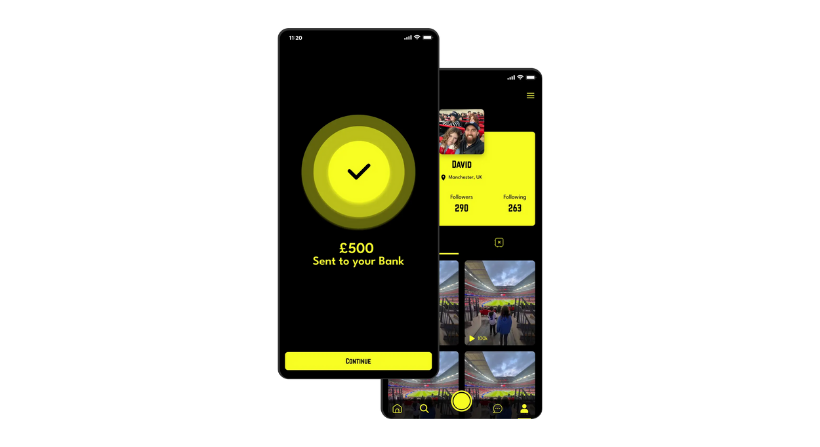
Platforms like Vupop help sports organizations collect, organize, review, and publish fan-generated videos efficiently, making it easier to keep communities involved throughout major tournaments.
Once fans begin participating, the next challenge is keeping them returning every single day, even when their favorite team is not playing.
6. Keep Every Day of the Tournament Interesting
One common mistake during international tournaments is focusing only on match days.
The FIFA World Cup lasts several weeks, meaning there are countless opportunities to keep audiences engaged between fixtures.
Build Daily Content Themes
Instead of posting randomly, create recurring features fans expect. Examples include:
Morning Match Preview
Cover:
- Team news
- Key storylines
- Players to watch
- Historical records
Midday Trivia
Ask fun football questions that encourage comments and sharing.
Evening Match Recap
Summarize the biggest moments using:
- Top goals
- Best saves
- Player performances
- Tactical observations
Daily publishing habits help audiences develop routines around your content.
Turn Breaking News Into Fast Content
Player injuries, tactical changes, lineup announcements, and transfer rumors generate enormous interest.
Publishing timely updates keeps your platform relevant throughout the tournament.
Adding useful context instead of simply reporting news helps audiences understand why each update matters.
Simple social media marketing tips like publishing shortly after official announcements often improve visibility naturally.
Daily publishing creates consistency. The next step is making each piece of content easier to discover across different platforms.
7. Use AI to Produce Smarter Sports Content Faster
The number of matches during FIFA World Cup 2026 will place enormous pressure on content teams.
Working faster does not mean lowering quality.
Instead, technology can handle repetitive tasks while creators focus on storytelling.
Use AI for Research and Organization
Artificial intelligence can help teams:
- Suggest headlines
- Organize statistics
- Categorize video clips
- Identify trending topics
- Generate content ideas
These tools improve workflow without replacing creativity.
Understanding AI trends in sports content creation allows publishers to produce more consistent coverage during busy tournament schedules.
Repurpose One Story Into Multiple Formats
One match can become:
- A blog article
- A carousel post
- A short-form video
- An email newsletter
- A podcast discussion
- A social media graphic
Repurposing content extends its value while reducing production time.
Publishing regularly is important, but lasting engagement comes from creating content people genuinely want to return for.
8. Build a Complete World Cup Content Hub
Fans rarely consume only one type of content.
Some want highlights.
Others prefer tactical analysis, interviews, or historical comparisons.
Bringing everything together creates a better experience.
Offer Content Before, During, and After Matches
A complete content hub might include:
| Tournament Stage | Content Ideas |
| Before matches | Predictions, team previews, player spotlights |
| During matches | Live blogs, statistics, match updates |
| After matches | Highlights, analysis, fan reactions, interviews |
This keeps visitors returning throughout the tournament instead of only during kickoff.
Make Content Easy to Discover
Organize articles by:
- Teams
- Players
- Groups
- Stadiums
- Host cities
- Matchdays
Easy navigation increases session time and helps readers explore more content naturally.
Some publishers even introduce features where fans can cash out FIFA prediction contests or reward programs, encouraging repeat participation throughout the competition.
Think Beyond Football Results
The World Cup is much bigger than football.
It brings together culture, travel, entertainment, music, food, and community.
Great content reflects that diversity.
Create stories around:
- Fan festivals
- Local traditions
- Volunteer stories
- Stadium architecture
- Host city experiences
- Community celebrations
This broader approach helps reach Gen Z sports fans with modern content strategies, since younger audiences often value experiences as much as match results.
Similarly, many publishers now look for ways to create content during FIFA World Cup that continues performing long after the tournament has ended, building long-term search traffic instead of temporary spikes.
Turning Great Content Into Long-Term Value
Publishing content is only part of the process.
The real opportunity comes from managing and distributing it effectively.
A single highlight clip can become:
- A blog feature
- A short-form video
- A newsletter story
- A social media post
- A future documentary
- Promotional content for sponsors
This makes it easier to monetise content during FIFA World Cup while extending its value long after the final match.
Strong content management also supports broader marketing for FIFA World Cup initiatives by giving brands and sports organizations reusable digital assets across multiple campaigns.
Organizations using centralized content platforms spend less time searching for files and more time producing engaging experiences that increase fan engagement across every channel.
Why Vupop Helps Teams Get More From World Cup Content
Managing thousands of videos, fan submissions, match clips, interviews, and social assets during the biggest football tournament in history is a major challenge.
This is where Vupop becomes valuable.
Vupop helps sports organizations collect, organize, manage, distribute, and monetize sports content from one platform.
Whether your goal is publishing fan videos, managing creator content, organizing match footage, or expanding digital storytelling, Vupop simplifies content workflows while helping teams stay consistent throughout major sporting events.
Instead of chasing content across different systems, organizations can focus on building stronger fan relationships through better storytelling.
Final Thoughts
The FIFA World Cup 2026 will create millions of moments worth remembering. The organizations that succeed will not simply report those moments.
They will help fans experience them.
Stories, statistics, fan participation, live updates, behind-the-scenes access, and personalized content all contribute to stronger digital communities that continue growing after the tournament ends.
Great sports content is no longer measured only by views.
Its real value lies in how well it keeps fans returning, sharing, and feeling connected to the game they love.
With the right planning, creative storytelling, and smart content management tools like Vupop, sports organizations can transform the excitement of FIFA World Cup 2026 into lasting audience growth that continues well beyond the final whistle.
FAQs
How can brands use FIFA World Cup 2026 to increase audience engagement?
Brands can create relevant football content, collaborate with creators, encourage user-generated content, host contests, share real-time updates, and publish helpful insights that keep fans informed and entertained throughout the tournament.
How can sports organizations create engaging World Cup content?
Sports organizations should focus on storytelling, publish consistent updates, use videos and graphics, encourage fan participation, and share exclusive content that fans cannot easily find elsewhere.
How can user-generated content improve fan engagement during FIFA World Cup 2026?
User-generated content builds trust because it showcases real fan experiences. Sharing fan photos, videos, celebrations, and match reactions creates stronger community engagement and encourages more people to participate.