Capturing sports moments can feel exciting and stressful at the same time. Everything moves quickly. Players change direction in seconds, reactions happen instantly, and sometimes the best moment lasts less than one second. This is why sports photography can be one of the most challenging forms of photography.
Many beginners think missing a perfect photo only happens because of expensive equipment or camera quality. In reality, many missed shots happen because of simple mistakes. Small decisions such as standing in the wrong place, using incorrect settings, or reacting too slowly can affect results.
The good news is that most mistakes can be fixed with practice and awareness.
In this guide, we will explore five common mistakes that often stop creators from getting strong sports photos and how you can avoid them.
- Why Small Photography Mistakes Matter More in Sports
- 5 Common Sports Photography Mistakes
- What Great Sports Photos Usually Have in Common
- Social Media Has Changed Sports Photography
- Simple Equipment Can Still Create Great Results
- Finding New Ways to Capture Sports Stories
- Why Strong Images Matter in Modern Sports Media
- Final Thoughts
- FAQs
Why Small Photography Mistakes Matter More in Sports
In regular photography, you sometimes get another chance. Sports work differently.
If a player scores, celebrates, or reacts emotionally, that exact moment may never happen again.
Small mistakes can lead to:
- Poor framing
- Blurry images
- Missed reactions
- Weak storytelling
- Lost opportunities
Understanding these problems early helps improve results much faster.
5 Common Sports Photography Mistakes
Here are 5 common sports photography mistakes that can keep you from getting the perfect shot:
Mistake #1: Standing in the Wrong Position
Position matters more than many people realize.
Many beginners stay in one place during the whole game and expect great results.
Unfortunately, being too far away or standing at the wrong angle can reduce image quality immediately.
Common positioning problems include:
- Blocking important angles.
- Standing too far from the action.
- Staying behind distracting backgrounds.
- Following crowds instead of action patterns.
Better positioning ideas:
- Look for areas where action often happens.
- Study the sport before the event.
- Watch movement patterns.
- Move when possible.
Good photographers often think ahead instead of reacting later. A better position can sometimes improve a photo more than expensive equipment.
Mistake #2: Using Camera Settings That Cannot Keep Up
Sports move quickly.
If settings are too slow, movement becomes blurry and details disappear. Fast movement often needs:
- Burst shooting mode
- Faster shutter speeds
- Continuous focus mode
- Proper ISO adjustments
Many beginners leave their cameras on automatic settings and hope everything works perfectly.
Automatic modes may struggle with:
- Fast movement
- Stadium lighting
- Sudden changes in action
- Indoor sports environments
Learning a few basic settings can create noticeable improvements.
If your goal is to master sports photography, understanding camera settings becomes extremely important.
Mistake #3: Following Only the Ball
Most people naturally watch the ball.
Photographers sometimes make the same mistake. The ball does matter, but many powerful moments happen around it.
Important moments can include:
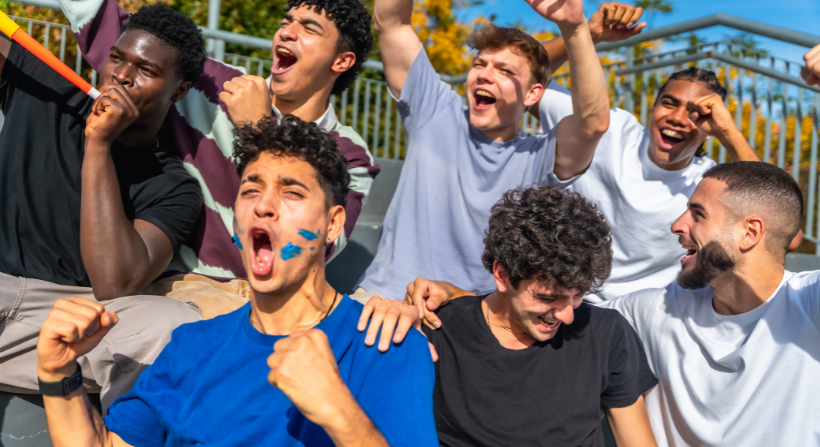
- Player reactions
- Crowd emotions
- Coaches reacting
- Team celebrations
- Bench interactions
The story of the game often exists beyond the main action. Strong sports content usually combines action with emotion.
For example:
A player celebrating after scoring may create a stronger image than the goal itself.
Mistake #4: Ignoring Lighting Conditions
Lighting changes constantly during sports events.
Outdoor games may become darker because of the weather or time changes. Indoor environments can create difficult lighting situations as well.
Common lighting mistakes include:
- Ignoring shadows
- Using incorrect exposure settings
- Shooting directly toward bright sunlight
- Forgetting to adjust during weather changes
Helpful solutions:
- Adjust settings when needed.
- Use natural light when possible.
- Arrive early and test conditions.
- Watch how light changes across the field.
Good lighting helps improve:
- Visibility
- Sharpness
- Color quality
- Overall image appearance
Many photographers focus heavily on equipment while forgetting that lighting often matters more.
Mistake #5: Reacting Instead of Predicting
This may be the biggest mistake in sports photography. Beginners often wait until action happens and then press the shutter.
The problem is simple.
By the time you react, the moment may already be gone. Professional photographers often predict moments before they happen.
Examples include:
- Players gathering after a score.
- A striker moving toward the goal.
- A runner approaching the finish line.
- A basketball player preparing to shoot.
Instead of reacting late:
- Learn player habits
- Understand game flow
- Watch body movement
- Stay prepared for emotional moments
Prediction often creates stronger results than quick reactions.
What Great Sports Photos Usually Have in Common
Strong sports photos usually share several characteristics.
| Element | Why It Matters |
| Clear focus | Helps viewers see details |
| Emotion | Creates a stronger connection |
| Timing | Captures important moments |
| Good composition | Improves visual balance |
| Proper lighting | Makes images look cleaner |
These elements often matter more than expensive equipment.
Social Media Has Changed Sports Photography
Sports photography no longer exists only for newspapers or television.
Today many creators share content through social platforms. Modern audiences often prefer:
- Behind-the-scenes photos
- Quick highlight moments
- Emotional reactions
- Short visual stories
Many Gen Z sports fans particularly enjoy content that feels real rather than heavily edited. This shift continues changing photography styles.
Simple Equipment Can Still Create Great Results
Many beginners delay starting because they think they need professional cameras. That is not always true.
Today, some creators successfully create content with just a phone and still produce impressive results.
Helpful beginner equipment includes:
- Smartphone cameras
- Entry-level cameras
- Basic editing tools
- Stabilizers
- Tripods
Technique often matters more than price.
Finding New Ways to Capture Sports Stories
Sports photography can go beyond traditional action shots. Try exploring different angles and moments.
Some creative sports content ideas include:
- Team arrivals
- Crowd emotions
- Pre-game preparation
- Celebration sequences
- Behind-the-scenes moments
Different approaches help create stronger visual stories.
Why Strong Images Matter in Modern Sports Media
Images now do much more than simply document events.
Strong visuals can:
- Increase audience engagement
- Support brand storytelling
- Build online communities
- Improve content sharing
As sports communities continue growing online, discussions around creator opportunities and fan monetisation are also becoming more common.
Visual storytelling continues becoming more valuable.
Final Thoughts
Learning sports photography is not about avoiding every mistake immediately. Every photographer misses moments at some point.
The goal is to recognize mistakes early and improve over time.
Simple changes such as better positioning, stronger timing, and understanding light can make a major difference.
Platforms like Vupop continue supporting sports communities and content experiences in new ways as digital sports media evolves.
The perfect shot is rarely about luck. Most of the time, it comes from preparation, patience, and being ready when the right moment arrives.
FAQs
Why are my sports photos blurry?
Sports photos can become blurry because of:
- Slow shutter speed
- Camera movement
- Fast player movement
- Incorrect focus settings
- Poor lighting conditions
Using faster settings can help reduce blur.
Is expensive equipment necessary for sports photography?
No. While professional equipment can help, timing, positioning, and understanding the sport are often more important. Many beginners start with entry-level cameras or smartphones.
How important is lighting in sports photography?
Lighting is very important because it affects image quality, sharpness, and visibility. Good lighting can improve photos even when using basic equipment.