
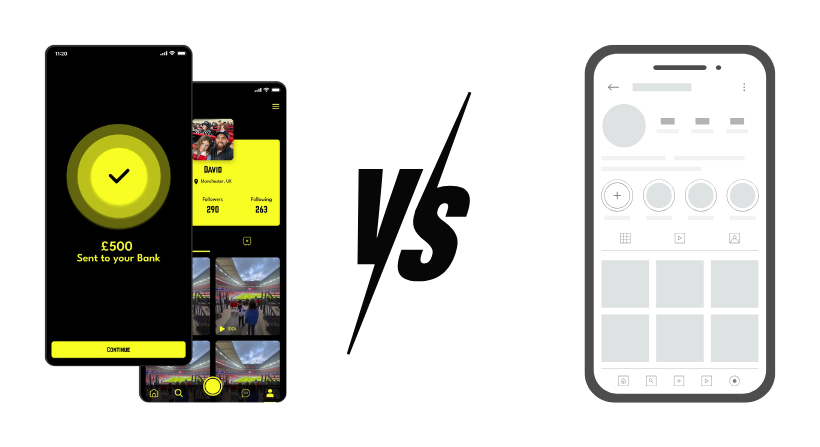
Sports creators are changing how fans experience sport. From match day reactions to crowd noise and celebrations, creators now shape how moments are shared online. Two platforms often compared by sports creators are Vupop and Instagram. Each offers different value and serves different goals.
This guide explains the real difference between Vupop vs Instagram and helps sports creators understand which platform is better based on how they want to create, grow and be recognised.
- What Sports Creators Want in 2026
- What Is Instagram for Sports Creators?
- Limits of Instagram for Sports Creators
- What Is Vupop for Sports Creators?
- Vupop vs Instagram: Purpose
- Vupop vs Instagram: Discovery
- Vupop vs Instagram: Recognition
- Vupop vs Instagram: Authenticity
- Vupop vs Instagram: Growth for Sports Creators
- Vupop vs Instagram: Community
- Vupop vs Instagram: Opportunities
- When Instagram Still Makes Sense
- Why Sports Creators Use Both
- Which Is Better for Sports Creators?
- How Vupop Supports Sports Creators Differently
- Final Thoughts: Vupop vs Instagram
- FAQs
What Sports Creators Want in 2026
Sports creators today want more than views. They want purpose, recognition and a real place in sports culture. Most creators look for:
- A way to share authentic fan content
- Visibility for their work
- Growth within sports communities
- Recognition from media, brands or clubs
- A sense that their content matters
Instagram and Vupop approach these needs very differently.
What Is Instagram for Sports Creators?
Instagram is a large social platform built for photos, videos and stories. Sports creators use Instagram to post match clips, reactions, reels and commentary. It is widely used and easy to join.
Instagram offers:
- Large audience reach
- Easy posting tools
- Strong visual presentation
- Social interaction through likes and comments
For many sports creators, Instagram is the first place they share content.
Limits of Instagram for Sports Creators
While Instagram is popular, it also has limits for sports creators.
Content Is Mixed With Everything Else
Sports content competes with lifestyle posts, ads, trends and influencers. A great match day clip can easily get lost.
Discovery Is Algorithm Driven
Creators rely on the algorithm to be seen. This can change often and is not always predictable.
No Sports Focus
Instagram is not built for sport. It does not organise content by match, club or event.
No Direct Link to Sports Media
Sports creators rarely know if broadcasters or clubs see their content. There is no clear path from posting to professional recognition.
What Is Vupop for Sports Creators?
Vupop is built for sport. It is designed to collect fan content and connect it with the sports media ecosystem. Sports creators upload clips from live events and give permission through the platform terms for that content to be used.
Vupop focuses on:
- Fan content
- Sports moments
- Creator recognition
- Community
- Authenticity
Unlike Instagram, Vupop is not a general social platform.
Vupop vs Instagram: Purpose
Purpose is the biggest difference.
Instagram helps creators share content with friends and followers. Vupop helps creators share content with the sports world.
On Vupop, sports creators know why they are posting. Their content is there to:
- Capture the feeling of the game
- Show fan perspective
- Support sports broadcasting and storytelling
- Be part of the sports conversation
This gives content more meaning.
Vupop vs Instagram: Discovery
Instagram discovery depends on hashtags, trends and timing. Many creators never know who sees their content.
Vupop discovery is focused. Content is seen by:
- Other fans
- Sports creators
- Clubs
- Broadcasters
- Brands active in sport
This targeted discovery helps sports creators reach the right audience instead of chasing mass reach.
Vupop vs Instagram: Recognition
On Instagram, recognition often means likes and follows.
On Vupop, recognition means:
- Being featured
- Having content used in sports media
- Being acknowledged as part of the sports story
- Receiving rewards for contribution
For many sports creators, this kind of recognition carries more value than vanity metrics.
Vupop vs Instagram: Authenticity
Instagram content is often edited, filtered or staged. This works well for lifestyle creators but can reduce authenticity in sport.
Vupop values real moments. Clips are raw, emotional and captured as they happen. This is why fan content on Vupop feels different.
In a world where AI and synthetic content are increasing, authenticity matters more. Vupop protects the value of real fan moments.
Vupop vs Instagram: Growth for Sports Creators
Instagram growth depends on consistency, trends and algorithm changes. It can take years to build a strong presence.
Vupop growth is different. Sports creators grow by:
- Showing up at games
- Capturing great moments
- Being part of sports conversations
- Contributing to broadcasts and campaigns
Growth is linked to participation, not performance tricks.
Vupop vs Instagram: Community
Instagram communities are wide and general. Sports content sits next to many other interests.
Vupop communities are focused. Everyone is there because they love sport. This creates stronger connections and shared understanding.
Sports creators on Vupop connect with people who care about the same teams, leagues and moments.
Vupop vs Instagram: Opportunities
Instagram offers brand deals mainly to creators with large followings.
Vupop offers opportunities based on content value, not follower count. A single powerful clip can matter more than a large audience.
Sports creators on Vupop can:
- Have content used in sports broadcasting
- Take part in brand activations
- Be rewarded for key moments
- Gain visibility inside the sports industry
This opens doors beyond social media.
When Instagram Still Makes Sense
Instagram is still useful for:
- Building a personal brand
- Sharing highlights with friends
- Posting commentary and opinions
- Growing a general audience
Many sports creators will continue to use Instagram alongside other platforms.
Why Sports Creators Use Both
The best approach is not choosing one platform only. Many sports creators use both Instagram and Vupop.
Instagram helps with social reach. Vupop helps with sports relevance.
Together, they allow creators to:
- Share widely
- Be seen by the right people
- Build both audience and impact
Which Is Better for Sports Creators?
The answer depends on goals.
If a sports creator wants likes and followers, Instagram works well.
If a sports creator wants to be part of sports culture, broadcasting and real storytelling, Vupop offers something Instagram cannot.
This is why more creators are adding Vupop to their workflow in 2026.
How Vupop Supports Sports Creators Differently
Vupop is built around sport, not general content. It helps sports creators:
- Upload fan content easily
- Give permission through simple terms
- Be discovered by sports media
- Be rewarded for contribution
- Stay authentic
It respects creators and the sports ecosystem.
Final Thoughts: Vupop vs Instagram
The debate around Vupop vs Instagram is really about purpose. Instagram is a social platform. Vupop is a sports platform.
For sports creators who want more than likes, Vupop provides a clearer path to recognition, impact and real involvement in sport. It does not replace Instagram. It complements it.
Sport is built on emotion and community. Vupop helps sports creators turn real moments into lasting stories. If you want your fan content to matter beyond your feed, Vupop is built for you.
FAQs
What is the main difference between Vupop and Instagram for sports creators?
Vupop is built specifically for sport and fan content, while Instagram is a general social platform. Vupop helps sports creators connect with the sports media world, not just gain likes.
Can sports creators use both Vupop and Instagram?
Yes. Many sports creators use Instagram for social reach and Vupop to share fan content that can be part of sports broadcasting and brand campaigns.
Why do sports creators choose Vupop over Instagram?
Sports creators choose Vupop because it offers focused discovery, authenticity, and recognition inside the sports ecosystem rather than relying only on social algorithms.