Capturing sports is exciting, but it can also be challenging. Fast movement, changing light conditions, crowd activity, and unexpected moments make sports one of the hardest areas of content creation. One second can completely change a game, and missing that moment means losing a powerful shot or video.
Learning sports photography and mastering filming techniques is not only about having expensive cameras. It is about timing, positioning, planning, and understanding the flow of the game. Great creators know where action will happen before it happens.
Whether you are recording local matches, creating content for social media, or building a professional portfolio, understanding the basics can help you create stronger visuals.
This guide will walk through practical ways to improve your shooting skills and create content people actually want to watch.
- Tip 1: Learn the Game Before You Pick Up the Camera
- Tip 2: Great Content Starts Before the Match Starts
- Tip 3: Timing Is More Important Than Equipment
- Tip 4: Position Yourself Like a Story Hunter
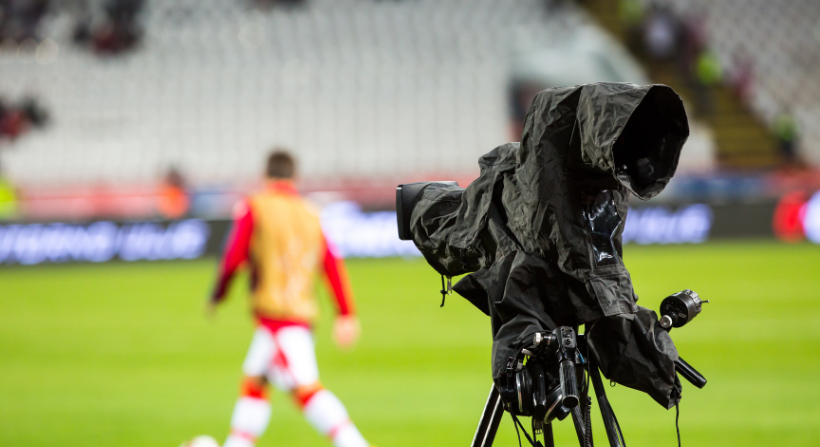
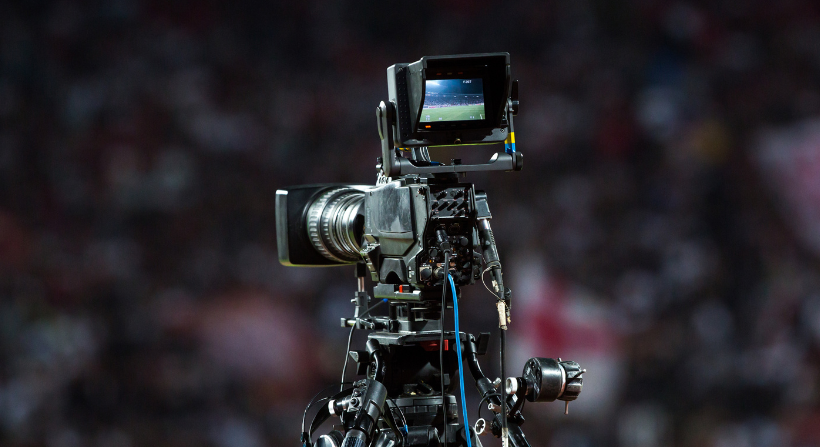
- Tip 5: Sports Photography vs Filming Techniques
- Tip 6: Follow Movement Instead of Chasing It
- Tip 7: Lighting Can Change Everything
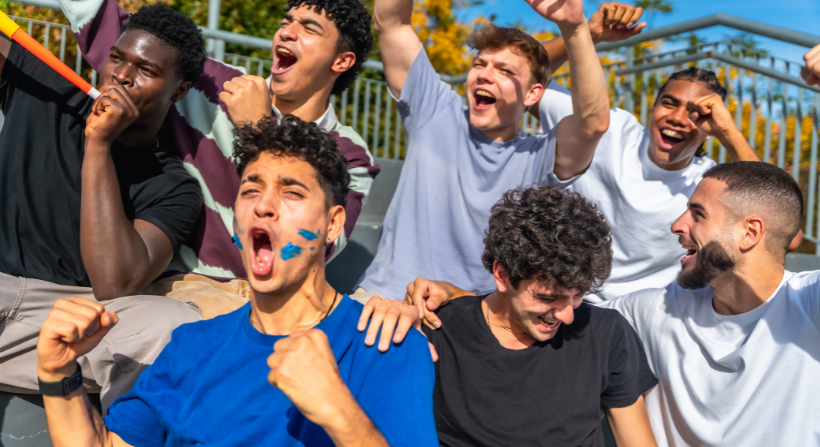
- Tip 8: Capture Emotion, Not Just Action
- Tip 9: Mobile Content Is Growing Fast
- Tip 10: Camera Movement Can Make Videos Feel Alive
- Tip 11: Think Beyond Match Highlights
- Tip 12: Safety and Respect Matter Too
- Tip 13: Turning Great Footage Into Better Content
- New Opportunities Are Changing Sports Media
- Final Thoughts
- FAQs
Tip 1: Learn the Game Before You Pick Up the Camera
Many people immediately focus on cameras and equipment, but understanding the sport itself matters first.
If you know how the game works, you can predict action before it happens.
Understanding the sport helps you:
- Anticipate player movement.
- Know where exciting moments may happen.
- Position yourself better.
- Prepare for reactions and celebrations.
For example, in football, action often builds near the goal area. In basketball, fast transitions happen throughout the court.
Knowing the game helps you prepare before the moment arrives.
Tip 2: Great Content Starts Before the Match Starts
Preparation saves time and helps improve quality.
Before filming or taking pictures:
- Check weather conditions.
- Review lighting situations.
- Charge batteries.
- Clear storage space.
- Identify good camera positions.
Many creators lose important moments simply because they start planning too late. Good preparation creates smoother results.
Tip 3: Timing Is More Important Than Equipment
People often believe expensive cameras automatically create better content.
In reality, timing usually matters more.
The best moments often happen in a split second:
- Goal celebrations
- Player reactions
- Team celebrations
- Crowd emotions
- Match-winning moments
A perfectly timed photo often becomes stronger than a technically perfect photo taken too late.
Tip 4: Position Yourself Like a Story Hunter
Think beyond simply recording action.
Good creators position themselves where stories happen. Look for:
- Bench reactions
- Crowd excitement
- Coaches giving instructions
- Players warming up
- Team interactions
Strong sports photography is often about capturing emotion, not just action.
Tip 5: Sports Photography vs Filming Techniques
Both photography and filming have similar goals, but the approach can differ.
| Area | Sports Photography | Filming |
| Focus | Single powerful moments | Continuous movement |
| Main Goal | Freeze action | Capture complete sequences |
| Timing | The exact moment matters | Flow and pacing matter |
| Camera Movement | Minimal | More active movement |
| Story Style | One image tells a story | Multiple scenes build a story |
Understanding these differences helps improve both skills.
Tip 6: Follow Movement Instead of Chasing It
One common mistake is reacting after movement happens.
Instead, prepare and move with the action.
Helpful approaches include:
- Follow the player’s direction.
- Keep subjects centered.
- Anticipate movement patterns.
- Stay steady while tracking action.
This creates smoother footage and stronger visuals.
Tip 7: Lighting Can Change Everything
Lighting affects both photos and videos. Outdoor events can change quickly because of clouds, weather, or time of day.
Keep these ideas in mind:
- Use natural light when possible.
- Avoid shooting directly into bright sunlight.
- Adjust settings when lighting changes.
- Test positions before events start.
Good lighting improves image quality immediately.
Tip 8: Capture Emotion, Not Just Action
Action tells people what happened. Emotion tells people why it mattered.
Look for moments such as:
- A player celebrating a goal
- Team members hugging after a win
- Fans reacting in the crowd
- Players showing disappointment
These moments often create stronger audience connections.
Many gen z sports fans particularly enjoy emotional and behind-the-scenes moments because they feel more authentic.
Tip 9: Mobile Content Is Growing Fast
Professional equipment helps, but it is not always required. Today many creators successfully create content with just a phone.
Smartphones now include:
- Better cameras
- Slow motion features
- Stabilization tools
- Editing options
Good technique still matters more than equipment.
Tip 10: Camera Movement Can Make Videos Feel Alive
Smooth movement creates stronger videos. Avoid sudden movement that distracts viewers.
Useful movement techniques include:
- Slow panning
- Following player movement
- Tracking action steadily
- Keeping motion controlled
Strong sports videography often depends more on movement quality than camera price.
Tip 11: Think Beyond Match Highlights
Many creators only focus on goals and key plays. However, audiences enjoy much more than match footage.
Try capturing:
- Warm-ups
- Team arrivals
- Fan reactions
- Training moments
- Post-game interactions
These can also create new sports content ideas for future projects.
Tip 12: Safety and Respect Matter Too
Filming sports also requires responsibility.
Always respect:
- Event rules
- Player privacy
- Team policies
- Restricted areas
If young players are involved, permissions and guidelines become especially important. Understanding boundaries creates safer and more professional content creation.
Tip 13: Turning Great Footage Into Better Content
Capturing good footage is only part of the process.
After recording, you can improve results by learning how to:
- Add captions
- Organize clips
- Remove unnecessary footage
- edit sports videos for better pacing
Editing helps transform raw footage into something viewers enjoy watching.
New Opportunities Are Changing Sports Media
Sports content creation is growing quickly. Today creators can:
- Build audiences online
- Create highlight channels
- Film sports content for brands and teams
- Film stadium content for events and fan experiences
Some platforms also allow creators to monetise fan videos, creating new opportunities around sports media.
Final Thoughts
Mastering sports photography takes time, patience, and practice. Strong content does not come from expensive equipment alone. It comes from understanding timing, movement, storytelling, and audience experience.
The same idea applies whether you are taking photos, filming matches, or creating digital sports content for online audiences.
Vupop is helping creators and fans discover new ways to share and build sports communities through content experiences.
Start small, practice regularly, and focus on improving one skill at a time. The moments that create the biggest impact are often captured by people who were ready before they happened.
FAQs
What is the difference between sports photography and sports videography?
Sports photography focuses on capturing a single powerful moment through images, while sports videography records continuous movement and tells a story through video clips and sequences.
How can beginners improve sports photography skills?
Beginners can improve by:
- Learning the rules of the sport.
- Practicing timing and positioning.
- Capturing emotional moments.
- Trying different camera angles.
- Reviewing and improving past work.
Practice is often more important than expensive equipment.
What mistakes should I avoid in sports photography?
Some common mistakes include:
Moving the camera too suddenly.
Standing too far from the action.
Using slow camera settings.
Ignoring lighting conditions.
Focusing only on gameplay and missing emotions.