Good content is no longer created by luck. Behind exciting match broadcasts, viral clips, and engaging highlights, there is a process that helps make every moment more impactful. This process is called sports production.
Modern sports audiences expect more than simply watching a game. They want emotion, strong visuals, quick highlights, and content that feels immersive. Whether you create videos for teams, events, social media, or personal projects, understanding the right production techniques can improve results.
The good news is that you do not need a huge production team to make better videos. Small changes in how you film, capture moments, and organize content can make a major difference.
In this guide, we will explore 13 practical and powerful sports production techniques that help create stronger sports content and improve audience engagement.
- 13 Powerful Sports Production Techniques for Better Production of Your Content
- 1. Capture Movement Instead of Static Shots
- 2. Build Emotion Through Close-Up Shots
- 3. Use Different Camera Angles for Variety
- 4. Slow Motion Can Make Big Moments Bigger
- 5. Record Natural Sound Around You
- 6. Use Visual Storytelling Instead of Random Clips
- 7. Improve Content Through Better Timing
- 8. Mobile Production Matters More Than Ever
- 9. Improve Production Through Better Camera Work
- 10. Think Beyond Match Highlights
- 11. Prepare for Live Production Challenges
- 12. Understand the Business Side of Production
- 13. Plan Your Shots Before the Event Starts
- Why Sports Production Matters More Today Than Before
- Final Thoughts
- FAQs
13 Powerful Sports Production Techniques for Better Production of Your Content
Here we have 13 practical and powerful sports production techniques that help create stronger sports content and improve audience engagement.
1. Capture Movement Instead of Static Shots
Sports are built around movement. Players run, react, celebrate, and change direction quickly. Static camera shots often miss some of that energy.
Focus on:
- Following player movement naturally.
- Using tracking shots when possible.
- Keeping action centered in the frame.
- Moving smoothly rather than suddenly.
Movement creates energy and helps viewers feel connected to the action.
2. Build Emotion Through Close-Up Shots
People remember emotions more than scoreboards.
Wide shots show the game, but close-up shots show the story behind the game.
Capture moments such as:
- Player reactions after scoring
- Team celebrations
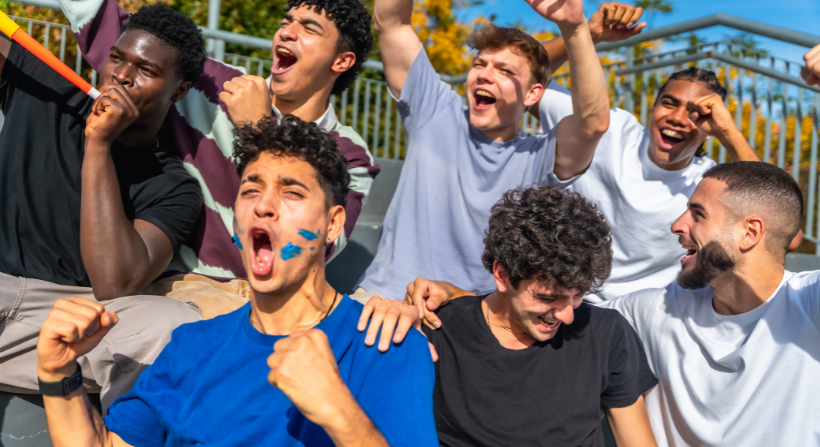
- Crowd excitement
- Coach reactions
This technique helps viewers connect with athletes on a personal level.
3. Use Different Camera Angles for Variety
Watching one angle throughout a video can feel repetitive.
Mixing camera positions creates a more dynamic viewing experience.
Try including:
- Side views
- Wide-angle shots
- Low-angle action shots
- Elevated camera positions
Different perspectives keep viewers interested and make the final video feel more professional.
4. Slow Motion Can Make Big Moments Bigger
Slow motion works best when used carefully.
Important moments often deserve extra attention.
Good examples include:
- Goals
- Match-winning plays
- Emotional reactions
- Critical movements during competition
Too much slow motion can reduce impact, so use it only when needed.
5. Record Natural Sound Around You
Many creators focus only on visuals and forget sound. Natural audio adds realism and emotion to production.
Capture sounds like:
- Crowd cheering
- Player communication
- Ball impact sounds
- Stadium atmosphere
Real sound makes content feel more immersive.
6. Use Visual Storytelling Instead of Random Clips
Great production is more than collecting footage.
Every video should feel like a small story with a beginning, middle, and ending.
A simple structure can include:
| Story Element | Example |
| Beginning | Players preparing before the game |
| Middle | Important moments and action |
| Ending | Reactions and final results |
Storytelling helps viewers stay engaged longer.
7. Improve Content Through Better Timing
Good timing changes how people experience a video. Fast action clips need quick editing, while emotional moments need a slower pace.
Focus on:
- Matching cuts with movement.
- Avoiding unnecessary pauses.
- Keeping transitions natural.
Small timing changes often create better viewer experiences.
8. Mobile Production Matters More Than Ever
Sports audiences increasingly watch videos on phones. This means content should be easy to view on smaller screens.
Consider:
- Vertical video formats
- Centering important actions
- Clear text and captions
Many creators now successfully create content with just a phone, proving that expensive equipment is not always necessary.
9. Improve Production Through Better Camera Work
Strong camera work can improve the quality immediately. Good sports videography is not only about expensive cameras. It is about capturing moments clearly.
Focus on:
- Stable camera movement
- Smooth panning
- Proper framing
- Anticipating action before it happens
Good camera work creates more professional results.
10. Think Beyond Match Highlights
Many people only record goals or important plays.
However, audiences enjoy much more than match action.
You can create:
- Training clips
- Locker room moments
- Fan reactions
- Team preparation videos
These ideas also help generate new sports content ideas for future projects.
11. Prepare for Live Production Challenges
Live events create exciting opportunities but also require planning.
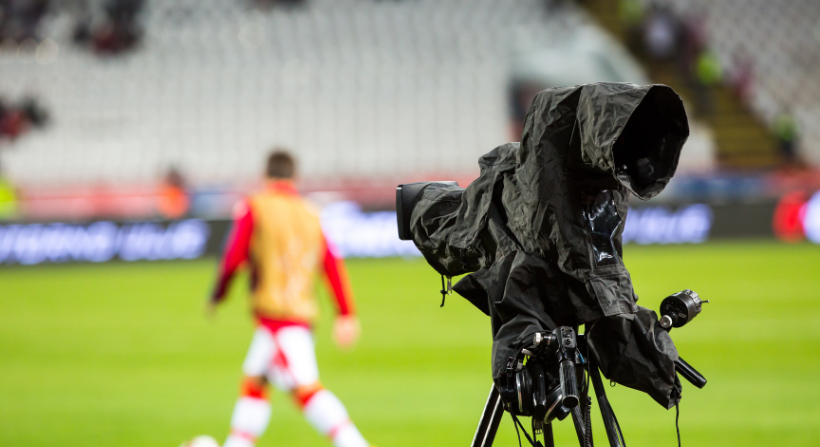
When dealing with live sports streaming, timing becomes very important.
Before going live:
- Test equipment early
- Check the internet connection
- Prepare backup plans
- Organize camera positions
Preparation reduces mistakes and creates smoother broadcasts.
12. Understand the Business Side of Production
Sports production involves more than filming. Content creators also need to understand rules and content ownership.
Areas to consider include:
- Copyright concerns
- Event permissions
- Licensing requirements
- Sports broadcasting rights regulations
As audience participation grows, some organizations also manage fan content in live production to create stronger engagement during events.
13. Plan Your Shots Before the Event Starts
Many people focus only on filming during the game and forget that preparation is part of strong sports production. Planning ahead saves time and helps you avoid missing important moments.
Before the event starts, create a simple shot list. This helps you know what footage you need and where to capture it.
Your list can include:
- Team arrival moments
- Warm-up sessions
- Crowd reactions
- Player entrances
- Key action shots
- Celebrations after the game
- Closing moments and final reactions
Planning ahead also helps camera operators move with purpose instead of searching for random clips. Even a simple plan can make your final production feel more organized and professional.
Understanding both creative and business factors helps avoid problems later.
Why Sports Production Matters More Today Than Before
Sports production has changed a lot over the years. In the past, viewers mainly focused on watching the game itself. Today, audiences expect a complete experience around the event.
They want highlights, player reactions, behind-the-scenes moments, and content that feels more personal.
Good sports production helps turn ordinary footage into content that captures attention and keeps viewers interested.
Strong production can help:
- Create a better viewing experience.
- Keep audiences engaged for longer periods.
- Build stronger emotional connections.
- Increase content sharing across platforms.
- Help teams and creators stand out.
As digital media continues to grow, sports production is no longer only about recording events. It has become an important part of how fans experience sports overall.
Final Thoughts
Strong sports production is not about having the biggest equipment or the largest team. It is about understanding how to capture emotion, movement, and moments that people remember.
Even small improvements in filming, timing, storytelling, and presentation can create noticeable results.
As sports content continues evolving, Vupop helps creators and organizations improve content experiences. Vupop has solutions for broadcasters, also helping sports communities manage content in more effective ways.
The best production techniques are often the simplest ones. Start with a few methods, practice regularly, and improve over time.
FAQs
What equipment is needed for sports production?
The equipment depends on the type of project, but common tools include:
- Cameras or smartphones.
- Tripods or stabilizers.
- Microphones.
- Editing software.
- Lighting equipment, if needed.
Beginners can start with basic equipment and upgrade over time.
How can I improve sports production quality?
You can improve quality by planning shots before events, capturing different camera angles, focusing on emotional moments, and maintaining clear audio and video quality.
What is the difference between sports filming and sports production?
Sports filming focuses mainly on recording footage, while sports production covers the complete process, including planning, filming, editing, graphics, sound, and final presentation.
How do professional sports productions keep viewers engaged?
Professional productions use techniques such as instant replays, close-up reactions, multiple camera angles, storytelling, and real-time highlights to make content more exciting.