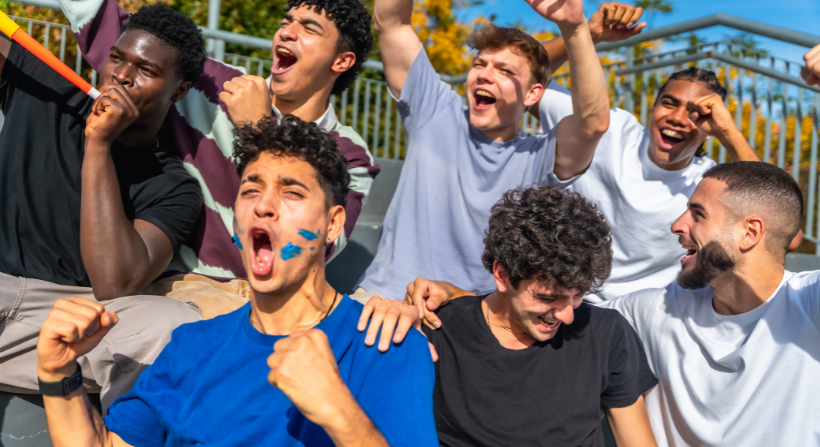

The sports world has changed a lot in recent years. In the past, people mainly followed famous players and teams through television and newspapers. Today, social media and digital platforms have created a new type of personality in the sports world. Alongside professional players, we now see creators building large audiences through videos, online communities, and daily updates.
This has created an interesting discussion around sports influencers and athletes. At first glance, they may look similar because both work in the sports world and often have strong audiences. However, their goals, methods, and influence can be very different.
Some people become famous because of performance on the field. Others become popular because of the way they connect with audiences online. Both play an important role in shaping modern sports content, but they do it in different ways.
In this blog, we will explore the key differences between sports influencers and athletes in a simple and creative way.
- Two Different Paths Into the Sports World
- The Side-by-Side Difference Table
- Who Builds Stronger Personal Connections?
- Content Is Changing the Rules of Sports Fame
- The Camera Is Becoming Part of the Game
- Audience Attention Works Differently Today
- Traditional Media and Digital Creators Are Mixing Together
- When Fans Become Creators Too
- What About Rights and Content Rules?
- Can Athletes Become Influencers Too?
- The Future May Not Separate Them at All
- Final Thoughts
- FAQs
Two Different Paths Into the Sports World
A professional athlete and a sports influencer may both have followers and fans, but they usually start their journey very differently.
Athletes normally build their reputation through performance. Years of training, competitions, and achievements help them gain recognition.
Sports influencers often build audiences through creativity and communication. They create videos, share opinions, post highlights, or build communities around sports.
Think of it this way:
- Athletes usually become known first, then build an audience.
- Influencers often build an audience first, then grow their influence.
Both paths require effort, but they depend on different strengths.
The Side-by-Side Difference Table
| Category | Sports Influencers | Athletes |
| Main focus | Audience engagement and content creation | Performance and competition |
| Growth method | Social media and online communities | Sports achievements and results |
| Daily activity | Creating videos, posting updates, and interacting with followers | Training, matches, fitness, and competition |
| Main platform | Social media channels | Sporting events and competitions |
| Success measurement | Followers, engagement, views | Wins, rankings, and titles |
| Audience connection | Direct and frequent interaction | Usually through matches and public appearances |
| Content style | Casual and personal | Performance and sports-related |
| Brand value | Community influence | Sporting reputation |
| Career flexibility | Can expand into multiple content areas | Usually connected to sports performance |
| Content frequency | High and regular | Depends on schedules and events |
This does not mean one is better than the other. It simply shows that both play different roles.
Who Builds Stronger Personal Connections?
One interesting difference is how people connect with them.
Many sports influencers spend a lot of time talking directly with audiences. They reply to comments, answer questions, and share daily experiences.
Athletes often have less time because their schedules focus on training and competitions. Sports influencers commonly share:
- Daily routines
- Personal opinions
- Training moments
- Behind-the-scenes clips
Athletes often share:
- Achievements
- Match updates
- Training sessions
- Event appearances
This is one reason many Gen Z sports fans feel highly connected to creators online. Younger audiences often enjoy interaction and relatable content.
Content Is Changing the Rules of Sports Fame
Years ago, becoming famous in sports mostly depended on performance. Today, content itself can build visibility.
Many creators now:
- Review games
- Explain techniques
- Share personal experiences
- React to sporting moments
Some creators even create content with just a phone, proving that expensive production is not always necessary.
The ability to communicate and entertain has become almost as valuable as performance itself.
The Camera Is Becoming Part of the Game
Sports today are no longer only about the match itself. Content creation now follows every stage of the journey.
Many creators use:
- Training clips
- Fan reactions
- Short highlight videos
- Behind-the-scenes footage
Strong sports videography helps creators make content more engaging and visually appealing. As audience behavior changes, cameras are becoming part of the sports experience itself.
Audience Attention Works Differently Today
Sports audiences have changed over time.
Traditional viewers often focused only on watching full matches. Modern audiences consume content in smaller pieces throughout the day.
People now watch:
- Reactions after matches
- Quick clips during breaks
- Creator discussions online
- Highlights while commuting
This shift created demand for fresh sports content ideas that go beyond standard match coverage.
The goal is no longer only to show the game. The goal is to create experiences around the game
Traditional Media and Digital Creators Are Mixing Together
The line between sports media and creator media is becoming smaller.
Many broadcasters now work with influencers because online creators understand audience behavior very well.
The difference between traditional sports content and digital content is becoming less obvious.
Some changes include:
- Interactive content
- Faster highlight clips
- Audience participation
- More behind-the-scenes footage
These ideas are also influencing modern sports broadcasting, which now focuses more on engagement and personality.
When Fans Become Creators Too
One major trend is that audiences no longer only watch content. Many fans now create:
- Match reactions
- Stadium videos
- Highlight edits
- Predictions
Some experts even describe this shift as fan videos taking over modern sports broadcasting because real audience moments often gain strong attention online.
This changes how creators and organizations think about content.
What About Rights and Content Rules?
Creating sports content also brings responsibility.
Not every clip or piece of footage can be shared freely.
Creators need to understand:
- Event rules
- Platform policies
- Ownership guidelines
There can also be media that should not be shared, especially private content or restricted footage.
Another important area involves sports broadcasting rights, which determine who can officially use and distribute certain event footage.
Understanding these rules helps creators avoid problems later.
Can Athletes Become Influencers Too?
Many athletes today are also becoming creators. They share:
- Daily routines
- Training videos
- Match preparation
- Personal experiences
Some athletes directly share media with athletes from teammates and collaborations to create stronger audience connections.
This shows that the gap between influencers and athletes is becoming smaller. Instead of choosing one role, many people are combining both.
The Future May Not Separate Them at All
In the future, the difference between athletes and influencers may continue to shrink. We already see athletes becoming creators and creators becoming sports personalities.
We also see growth in:
- Community content
- Creator partnerships
- Audience-led engagement
- Live sports streaming experiences
People increasingly want personality, interaction, and real experiences alongside sports performance.
Success may depend not only on what happens on the field but also on how stories are shared online.
Final Thoughts
The discussion around sports influencers and athletes is not about choosing one over the other. Both bring something valuable to the sports world.
Athletes inspire through performance, discipline, and achievement. Sports influencers build communities through creativity and communication. Together, they help shape the future of sports content.
Vupop is helping fans and sports broadcasters connect in smarter ways. By helping fans, creators, and sports organizations work together, new opportunities continue to emerge across the sports ecosystem.
The future of sports may not belong only to athletes or only to influencers. It may belong to people who know how to do both.
FAQs
Who has stronger audience engagement, sports influencers or athletes?
Sports influencers often have more direct engagement because they interact regularly through comments, live sessions, and social media content. Athletes may have larger fan bases, but interaction levels can vary depending on their activity online.
Do sports influencers need professional sports experience?
Not always. Some sports influencers are former athletes, while others build audiences through knowledge, creativity, storytelling, or sports-related content.
Which is better for brands, sports influencers or athletes?
It depends on the goal. Athletes can provide credibility and strong sports recognition, while sports influencers often deliver higher audience interaction and community engagement. Many brands now work with both.