Sports are no longer limited to television screens and stadium seats. Today, fans watch games on phones, tablets, laptops, and smart TVs from almost anywhere in the world. Behind this huge change is one important factor called sports broadcasting rights. These rights decide who can show matches, where fans can watch them, and how sports organizations earn money from their events.
Over the years, sports broadcasting has changed from simple TV coverage into a massive digital industry. Broadcasters now compete for exclusive deals because live sports attract millions of loyal viewers. From football leagues to international tournaments, broadcasting rights help shape how fans experience sports every day.
At the same time, digital platforms, streaming services, and fan-created media are changing the way sports are shared online. Audiences want faster highlights, behind-the-scenes clips, and interactive viewing experiences. This shift is pushing the entire sports media industry to evolve.
In this blog, we will explore how sports broadcasting rights influence modern sports media, why these rights are so valuable, and how technology is creating new opportunities for fans, broadcasters, creators, and sports organizations.
- The Real Meaning of Sports Broadcasting Rights
- Why Live Sports Still Dominate Media Platforms
- How Digital Platforms Changed Sports Media
- The Financial Power Behind Broadcasting Deals
- How Technology is Changing Viewer Expectations
- The Growing Impact of Fan-Created Media
- Why Exclusive Rights Create Competition
- The Influence of E-sports on Sports Broadcasting
- Social Media’s Role in Sports Distribution
- Challenges in Sports Broadcasting Rights
- The Future of Sports Broadcasting
- Conclusion
- FAQs
The Real Meaning of Sports Broadcasting Rights
Sports broadcasting rights are legal agreements that allow TV networks, streaming platforms, or digital companies to show live games, highlights, interviews, and related coverage. These rights are usually sold by sports leagues, clubs, or tournament organizers.
For example, a football league may allow one broadcaster to stream all matches in a specific country. Another company may receive rights for mobile viewing or highlight clips. These agreements help sports organizations control how their events are distributed.
The value of sports broadcasting rights has increased rapidly because live sports continue to attract huge audiences. Unlike movies or recorded shows, sports events happen in real time. Fans want to watch games live to avoid spoilers and join conversations online.
This demand has made sports broadcasting one of the strongest parts of the entertainment industry. Major broadcasters spend billions to secure exclusive rights because live sports keep viewers engaged for long periods.
Why Live Sports Still Dominate Media Platforms
Many types of entertainment struggle to keep audiences focused, but sports remain different. Fans are emotionally connected to their teams, favorite players, and competitions. This emotional connection gives sports a unique power in digital media.
One major reason for this success is live sports streaming. Fans now expect instant access to games on multiple devices without depending only on television schedules.
Streaming platforms also offer extra features such as:
- Multiple camera angles
- Personalized highlights
- Real-time statistics
- Interactive chats
- Instant replays
These features create a more engaging viewing experience compared to traditional broadcasts from the past.
Sports events also perform well on social media because fans constantly share reactions, celebrations, and discussions during games. This creates free online promotion for leagues and broadcasters.
| Key Factor | Why It Matters |
| Live action | Fans want real-time viewing |
| Emotional connection | Sports create loyal audiences |
| Social sharing | Games generate online discussions |
| Global access | Streaming reaches international viewers |
| Mobile viewing | Fans can watch anywhere |
How Digital Platforms Changed Sports Media
The rise of digital media has completely changed how sports are distributed. Years ago, fans mainly relied on cable television to watch matches. Today, streaming apps, websites, and social platforms have created many new ways to access games.
This change has increased competition among broadcasters. Companies no longer compete only with television networks. They now compete with streaming services, tech companies, and online platforms.
Some broadcasters also use short-form videos and sports apps to reach younger audiences who prefer mobile viewing.
This shift has forced sports organizations to rethink their media strategies. They now focus on:
- Digital subscriptions
- Faster highlight sharing
- Multi-platform distribution
- Mobile-friendly broadcasts
- Interactive fan experiences
The audience experience has become more flexible and personalized. Fans can choose when, where, and how they consume sports media.
The Financial Power Behind Broadcasting Deals
Broadcasting rights are one of the biggest revenue sources in global sports. Large leagues often earn more from media rights than ticket sales.
These deals help sports organizations:
- Improve stadiums.
- Pay athletes and staff.
- Expand global marketing.
- Invest in youth development.
- Produce higher-quality broadcasts.
For broadcasters, live sports bring stable audiences and advertising opportunities. Brands pay high prices to advertise during important matches because viewers are highly engaged.
This financial cycle supports the entire sports ecosystem.
A successful broadcasting deal benefits:
- Streaming platforms
- Sports leagues
- Broadcasters
- Advertisers
- Fans
Without broadcasting revenue, many leagues would struggle to maintain large-scale operations.
How Technology is Changing Viewer Expectations
Modern audiences expect more than basic match coverage. Fans now want faster updates, deeper analysis, and interactive experiences.
Technology has introduced features such as:
- Real-time data tracking
- AI-powered highlights
- Multi-screen viewing
- Instant clip sharing
- Virtual graphics
These tools improve the overall viewing experience and help broadcasters stand out.
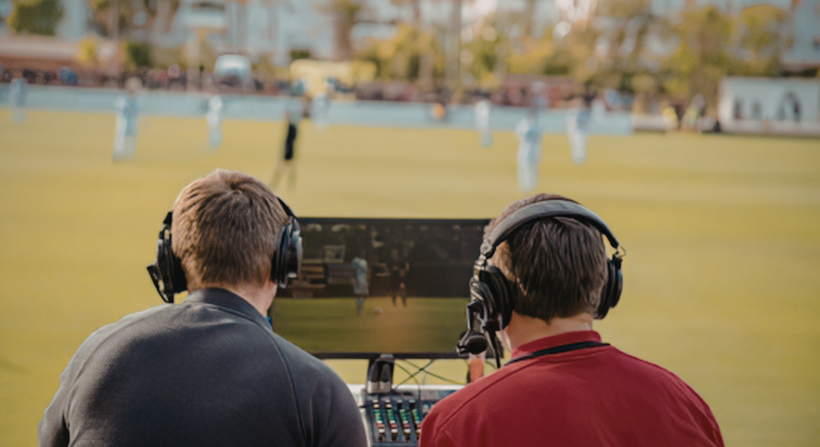
Technology has also influenced sports videography by making professional-quality filming more accessible. Smaller creators and fan communities can now produce content that looks polished and engaging.
This has opened new opportunities for independent creators in sports media.
The Growing Impact of Fan-Created Media
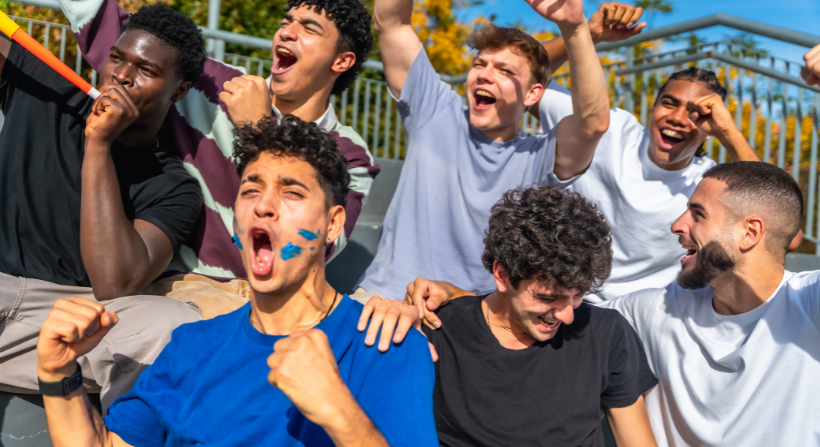
Sports media is no longer controlled only by television companies. Fans now play a major role in shaping online sports conversations.
Supporters regularly upload reactions, celebrations, match clips, and behind-the-scenes moments across social media platforms. In some cases, these clips attract millions of views.
This trend has created new conversations around fan videos taking over modern sports broadcasting.
Fans enjoy authentic content because it feels real and emotional. A short crowd reaction or celebration clip can sometimes generate more engagement than a professionally edited segment.
Sports organizations are paying closer attention to fan-generated media because it helps:
- Create community-driven storytelling.
- Increase online engagement.
- Reach younger audiences.
- Expand social visibility.
Broadcasters are also beginning to include fan content in live production to make broadcasts feel more interactive and connected to audiences.
Why Exclusive Rights Create Competition
Exclusive broadcasting deals are valuable because they limit where fans can watch sports.
When one platform owns exclusive rights, fans must subscribe to that service to access live matches. This creates competition among broadcasters and streaming platforms.
Exclusive rights can increase:
- Subscription revenue
- Advertising value
- Brand visibility
- Viewer loyalty
However, exclusivity can also frustrate viewers if matches become spread across too many platforms.
Some fans may need multiple subscriptions to follow different leagues or tournaments.
This challenge has pushed broadcasters to improve their services and offer more value to subscribers.
The Influence of E-sports on Sports Broadcasting
Digital innovation in gaming has also influenced traditional sports coverage.
The rise of e-sports streaming introduced new production styles that focus on speed, interactivity, and online engagement.
Traditional broadcasters have adopted several ideas inspired by esports, including:
- Faster graphics
- Multi-view streams
- Interactive commentary
- Digital-first production styles
- Real-time audience interaction
Younger audiences enjoy dynamic broadcasts that feel fast and engaging. Sports broadcasters now work harder to keep viewers active during events.
This influence continues to reshape modern sports broadcasting across many leagues and competitions.
Social Media’s Role in Sports Distribution
Social media platforms have become powerful tools for sports media distribution.
Broadcasters and sports organizations now share:
- Interviews
- Fan reactions
- Match previews
- Short highlights
- Behind-the-scenes clips
These posts help increase visibility and attract viewers to live broadcasts.
Many organizations also use creative sports content ideas to keep audiences engaged between games.
Content teams now focus heavily on:
- Fast uploads
- Interactive posts
- Mobile-friendly formats
- Community engagement
Social media has transformed sports media into a constant daily experience instead of something limited to match days.
Challenges in Sports Broadcasting Rights
Despite the success of broadcasting rights, the industry still faces several challenges.
1. Rising Costs
Broadcasting deals continue to become more expensive. Smaller broadcasters may struggle to compete with global streaming companies.
2. Illegal Streaming
Unauthorized streams reduce revenue for leagues and broadcasters.
3. Audience Fragmentation
Fans now consume media across many different platforms. This makes it harder to maintain consistent audiences.
4. Content Overload
Viewers receive large amounts of digital content every day. Broadcasters must work harder to capture attention.
5. Media Safety Concerns
Organizations also need clear rules regarding media not to share, especially when handling private footage, restricted locker room access, or copyrighted clips.
Managing these challenges is becoming a major part of sports media strategy.
The Future of Sports Broadcasting
Sports broadcasting will continue evolving as technology changes audience habits.
Future trends may include:
- Virtual reality viewing
- AI-generated highlights
- Interactive fan participation
- More personalized broadcasts
- Faster global streaming access
Broadcasters are also expected to increase partnerships with creators, influencers, and fan communities.
Conclusion
Sports broadcasting rights continue to shape how fans watch, share, and experience sports online. As streaming, social media, and digital platforms grow, audiences now expect faster access, interactive viewing, and more authentic content. Broadcasters and sports organizations are adapting by creating more engaging and fan-focused experiences.
Vupop also reflects this shift by encouraging fan participation and digital storytelling. In the future, sports media will likely become even more interactive, mobile-driven, and connected to online communities as audience habits continue to evolve.
FAQs
What are sports broadcasting rights?
Sports broadcasting rights are legal agreements that allow TV networks or streaming platforms to show live sports events, highlights, and related media content.
Why are sports broadcasting rights important?
They help sports organizations earn revenue, expand their audience, and improve the quality of sports coverage and fan experiences.
How has streaming changed sports broadcasting?
Streaming has made sports more accessible on mobile devices, smart TVs, and online platforms, allowing fans to watch games from anywhere.